Note: AI technology was used to generate this article's audio.
Solar aircraft with historic record ends flight in crash
Investigation underway amid unclear circumstances
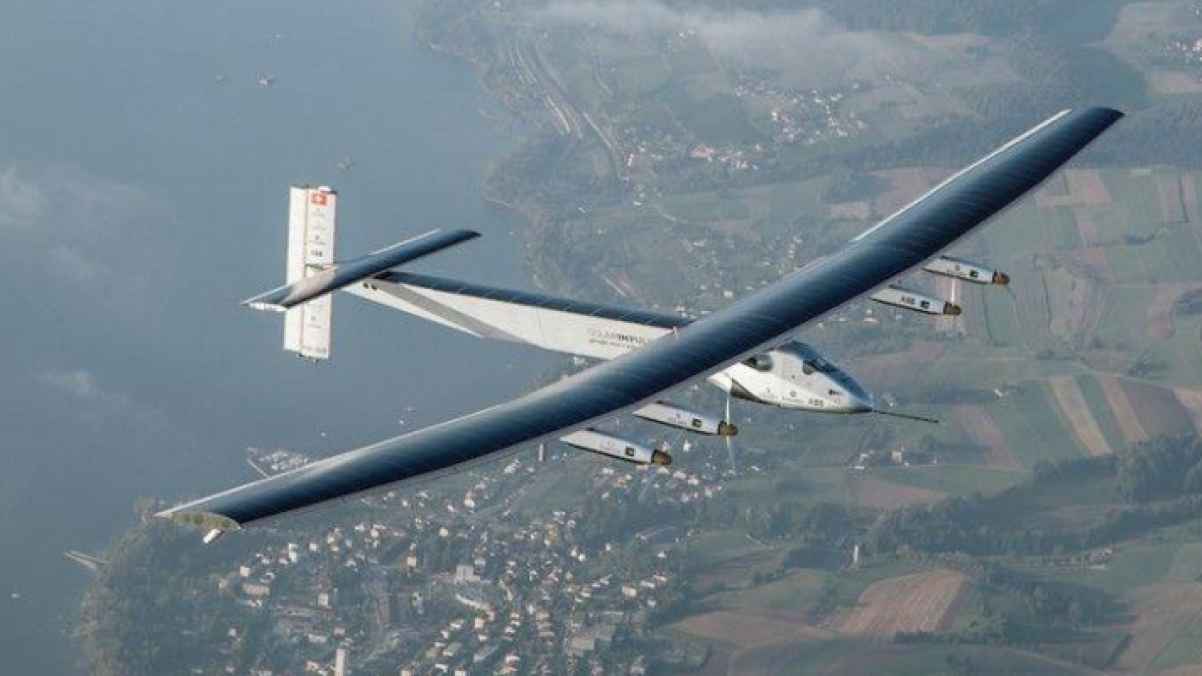
The experimental aircraft Solar Impulse 2, which made a landmark around-the-world journey in 2016 powered entirely by solar energy without fuel, has crashed into the Gulf of Mexico, according to its owner.
The plane was piloted by Swiss adventurers Bertrand Piccard and André Borschberg, completing a 17-stage global voyage of around 43,000 km across four continents, two oceans, and three seas without consuming a drop of fuel.
Three years after the historic mission, the aircraft was sold to Skydweller Aero, which converted it into an unmanned platform designed for continuous flight operations and described the process as a “controlled landing.”
The company said the aircraft took off from Stennis, Mississippi, on April 26 before crashing into the Gulf on May 4.
It added that the 8-day-and-14-minute flight represents a breakthrough demonstration of long-endurance solar aviation in mission-relevant conditions.
U.S. authorities have launched an investigation into the incident, while the exact cause of the crash remains unclear.