
Unexpected” fall of a space rocket on Earth"
ملاحظة: النص المسموع ناتج عن نظام آلي
- Massive Chinese rocket enters atmosphere
- Fell into southern Pacific
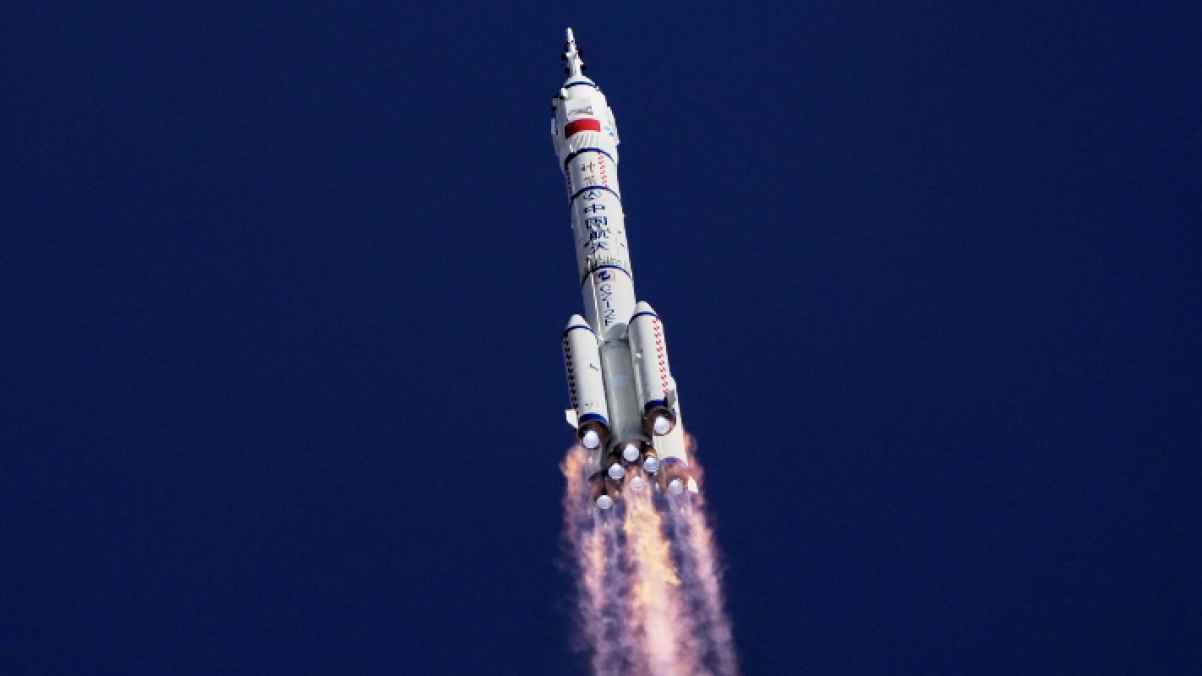
An uncontrolled Chinese rocket crashed into the southern Pacific Ocean on Friday, weighing around 11 tonnes and stretching 13 meters long, after days of uncertainty that alarmed several European countries.
US Space Force tracking showed the rocket re-entered the atmosphere at 12:39 GMT, about 2,000 kilometres southeast of New Zealand, bringing relief despite lingering questions about potential risks.
The fallen stage was the upper section of China’s Zhuque-3 rocket, developed by LandSpace and launched in December.
It was not guided back to Earth but decayed gradually and unpredictably under atmospheric drag and orbital factors.
European analysts estimated the rocket’s large size and heat-resistant materials, including stainless steel or titanium, raising the possibility of fragments surviving re-entry and reaching the ground.
Although the statistical likelihood of damage was low, the uncertainty sparked concern.
European agencies continuously monitored the rocket, while Polish and Finnish authorities warned that debris could pass over wide areas of the continent, including the Baltic region.
Civil aviation authorities advised preparation for possible flight adjustments, despite the difficulty of precise planning due to the wide re-entry window.
Britain took an unusual precautionary step, asking mobile operators to confirm the readiness of the national emergency alert system, described by officials as precautionary but considered unusual by industry sources.
Space experts warned that large debris behaves differently from smaller objects, emphasizing that the greatest risks were not just to land but also to aviation and orbital debris density.
The rocket stage finally ended its journey quietly in the Pacific, without affecting Europe or closing airspace.
The incident highlighted the thin margin between routine space tracking and real-world disruption, especially amid rising commercial launches and increasing uncontrolled space debris.