
Moonlight reduces chances of viewing Eta Aquarid meteor shower
Note: AI technology was used to generate this article's audio.
- An annual meteor display peaks as Earth passes through debris left by an ancient comet
- Bright moonlight dims visibility, especially across the Northern Hemisphere
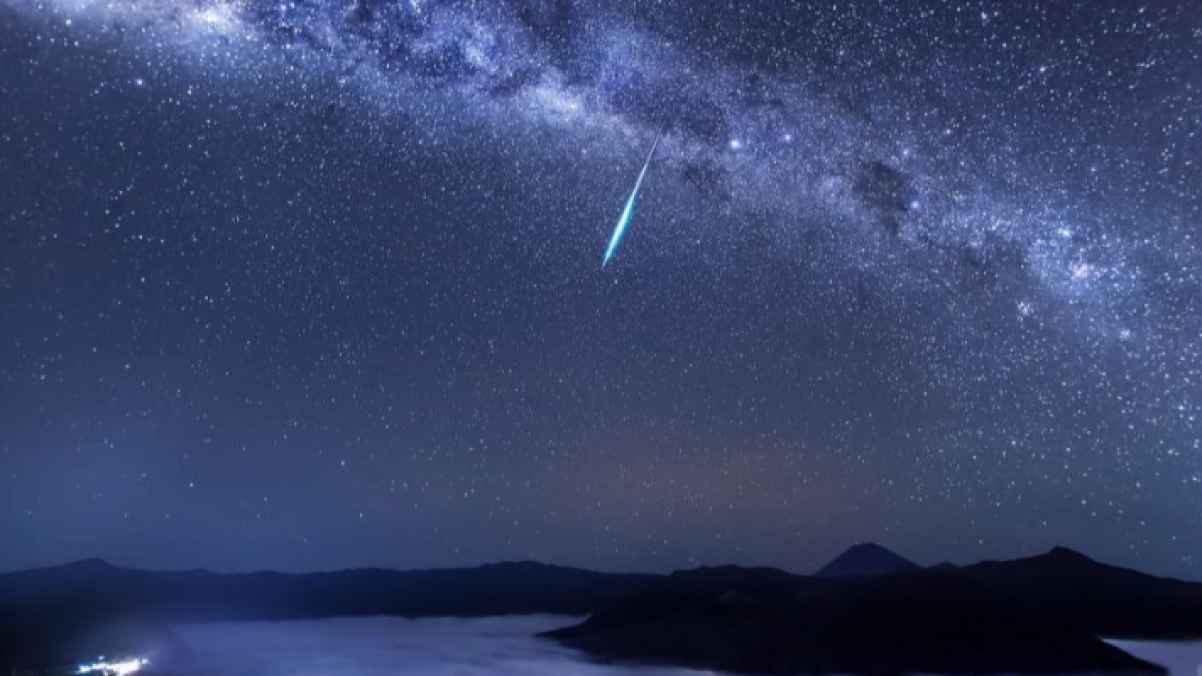
Skywatchers are set to witness one of the year’s regular celestial events as the Eta Aquarid meteor shower reaches its peak, originating from debris of Halley’s Comet. However, this year’s bright moon will reduce how clearly the phenomenon can be seen in the night sky.
The shower is expected to reach its maximum activity from Tuesday night into Wednesday dawn. Observers in the Southern Hemisphere can typically see around 50 meteors per hour at peak, but moonlight may cut that number by nearly half. In the Northern Hemisphere, activity is expected to remain below 10 meteors per hour.
Astronomy experts say viewing conditions this year are less favorable in the north, noting that the best visibility will be in regions closer to the south.
Meteor showers occur when Earth passes through streams of space debris left behind by comets or asteroids. These particles enter the atmosphere at high speed and burn up, creating bright streaks of light known as “shooting stars.”
Astronomers recommend watching the sky just before dawn, away from city lights and tall buildings for the clearest view. It is also better to choose a location that blocks the bright waning gibbous moon, which will be about 84% illuminated.
They also advise bringing chairs or blankets and avoiding phone screens to allow the eyes to adjust to darkness. Looking east toward the Aquarius constellation and the bright star Eta Aquarii is recommended.
Experts in astrophysics say the best way to experience the event is with the naked eye, describing it as a moment that feels like discovering the sky anew.