
Town serves bear meat in restaurants
Note: AI technology was used to generate this article's audio.
- Increase in demand for bear meat following deadly attacks in Japan
- Government approves bear hunting and conversion of meat into food and profit source
The unprecedented rise in fatal bear attacks in Japan has led to an unexpected phenomenon: a surge in the consumption of their meat in restaurants, as these animals—classified as a public danger—have become a food source and profitable dish for restaurant owners.
Chef and hunter Koji Suzuki in the mountainous city of Chichibu said that the demand for grilled or cooked bear meat in hot pots has increased noticeably.
He explained that the meat comes from bears hunted during government campaigns aimed at limiting attacks, which this year claimed 13 lives—a record number.
Suzuki, 71, added that increased media coverage of bears invading homes, approaching schools, and even entering major stores has contributed to people’s curiosity to try the meat.
He considered using the meat in food “a form of respect for the animal’s life,” rather than disposing of it without benefit.
His wife, Chieko, who runs the restaurant, confirmed that she currently has to apologize to a large number of customers due to shortages, without disclosing the exact revenue increase.
Japanese authorities hope that bear hunting, with animals sometimes weighing up to half a ton and faster than humans, will help reduce the growing threat, particularly in the northern regions.
Experts attribute the crisis to the doubling of bear populations, a decline in human population, and weak acorn yields, which drive bears to search for food near residential areas.
In response, the government has deployed military forces to provide logistical support for hunting operations, while riot police are tasked with participating in shooting the bears.
The number of bears culled in the first half of the current year has already exceeded the total hunted during 2023–2024.
Although bear meat is not a daily dish, it has been a traditional food in mountain villages for a long time.
The government sees it as an economic opportunity for rural areas, allocating $118 million to control bear populations and encourage sustainable consumption of their meat.
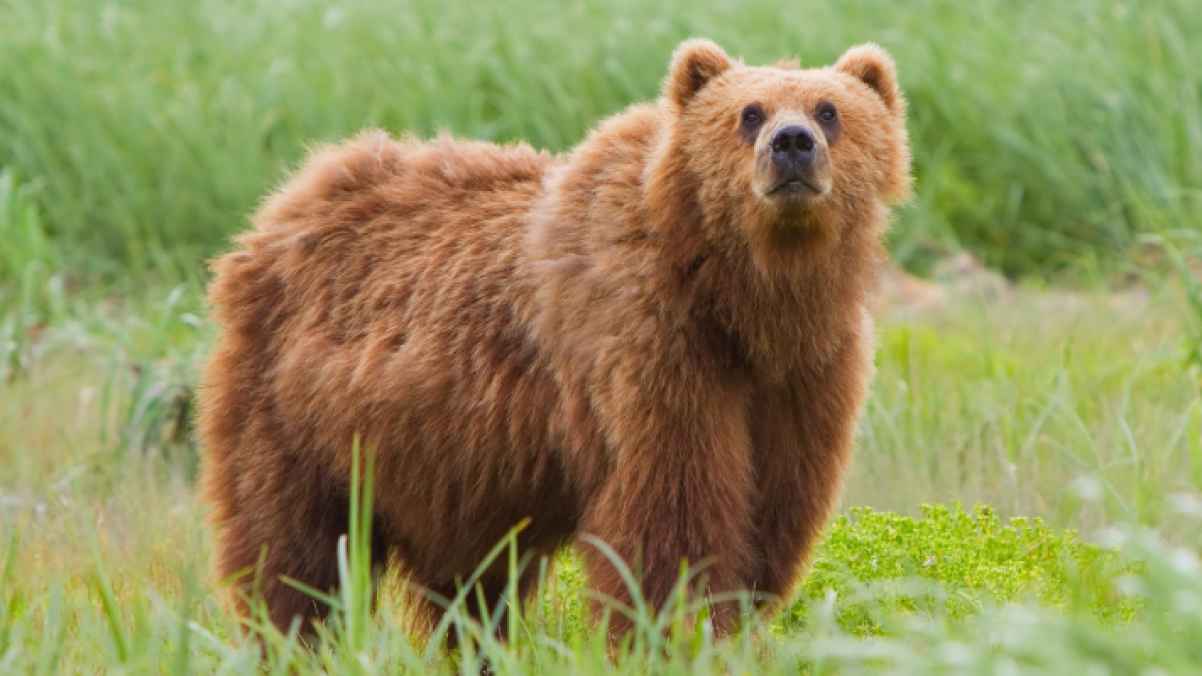
The brown Hokkaido bear, found only on the northern island, has seen its population double over three decades to surpass 11,500 bears.
Last year, the government classified bears as managed animals, following years of protection measures.
Despite this popularity, a large portion of bear meat is still wasted due to a lack of approved processing facilities, as the most affected regions have only a limited number of factories.