
Alaska Records Second-Largest “Megatsunami” in History
Note: AI technology was used to generate this article's audio.
- Detailed study finds Alaska 2025 megatsunami second-largest ever recorded, with wave heights nearing 500 metres
- Researchers warn of rising risks as glacier melt accelerates, calling for expanded monitoring in remote regions
A new scientific study has revealed that a powerful megatsunami triggered in a remote fjord in southeast Alaska during the summer of 2025 ranks as the second-largest event of its kind ever recorded, with wave heights approaching 500 metres.
The incident, which initially received little attention, was later reconstructed through detailed scientific analysis that brought the scale of the event back into focus.
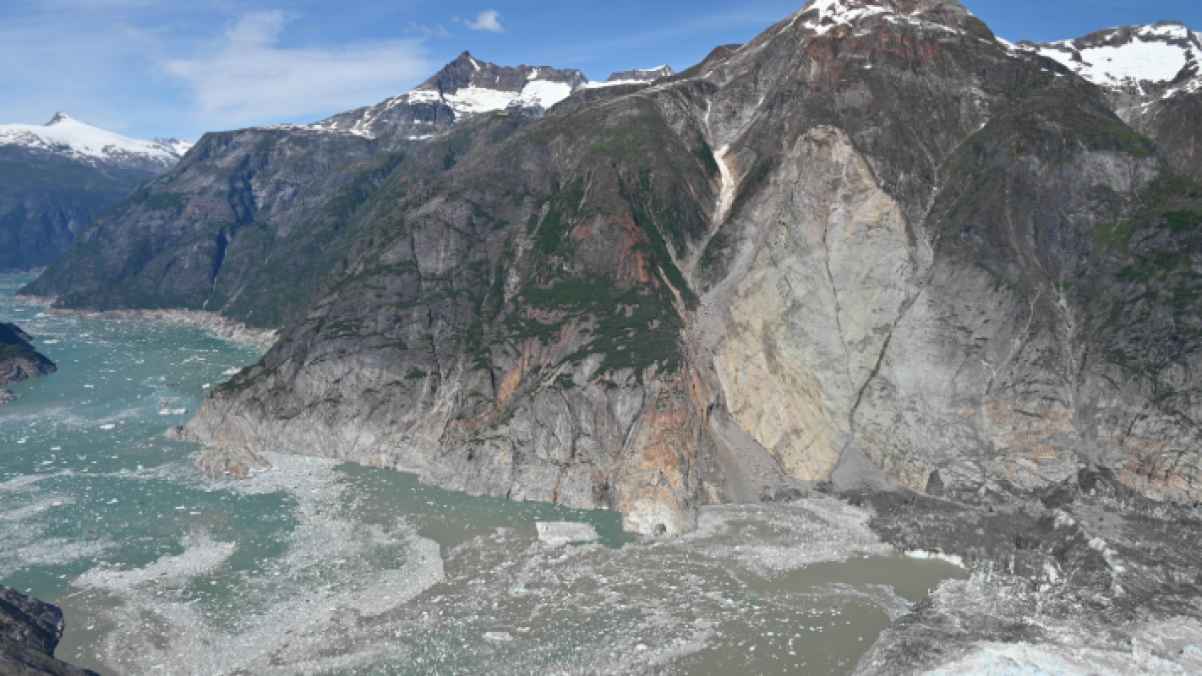
According to researchers, the disaster began with a series of minor earthquakes that destabilised a massive rock formation, triggering a landslide involving around 64 million cubic metres of material—equivalent to dozens of large pyramids.
The enormous rock mass plunged into the fjord in less than a minute, displacing vast amounts of water and generating an extreme wave estimated at nearly 500 metres high, making it the second-highest documented megatsunami in recorded history.
Scientists note that the timing of the collapse in the early hours of the morning meant no cruise ships were present in the area, likely preventing potential human casualties.
Geologist Bretwood Higman, who later visited the site in Tracy Arm Fjord, described the event as “very close to a disaster,” warning that luck played a major role in avoiding tragedy. He added: “We know people could have easily been in the wrong place at the wrong time, and I worry we won’t always be this fortunate.”
Megatsunamis differ from conventional tsunamis in that they are typically triggered by localised landslides or rock collapses into water bodies, producing extremely high but short-lived waves, whereas ocean-wide tsunamis are usually caused by undersea earthquakes and can travel across entire oceans, causing widespread destruction.
Field observations after the event revealed extensive environmental damage, including shattered trees swept into the water and large areas of exposed rock stripped of soil and vegetation.
The study, published in Science, links the increasing likelihood of such collapses to climate change. Researchers say glacier retreat has removed a stabilising force that previously supported steep rock faces, making them more prone to sudden failure.
Stephen Hicks of University College London explained that ice once acted as a natural support structure for the mountains, and its disappearance has exposed unstable rock formations.
Scientists involved in the research warn that the frequency of such events may already be increasing significantly, with some estimates suggesting they could now occur up to ten times more often than in previous decades.
They are calling for improved monitoring systems in vulnerable regions of Alaska, especially as remote tourism continues to grow.
In response to rising safety concerns, some cruise operators have already begun rerouting vessels away from high-risk fjords such as Tracy Arm.