Irish Football Association issues statement on playing against the “occupation's team” in UEFA Nations League
ملاحظة: النص المسموع ناتج عن نظام آلي
- Ireland Faces Organizational Challenges Over Matches Against the Occupation's Team
Ireland is currently navigating significant logistical hurdles, particularly concerning the Dublin fixture, amid rising public pressure and calls for a boycott.
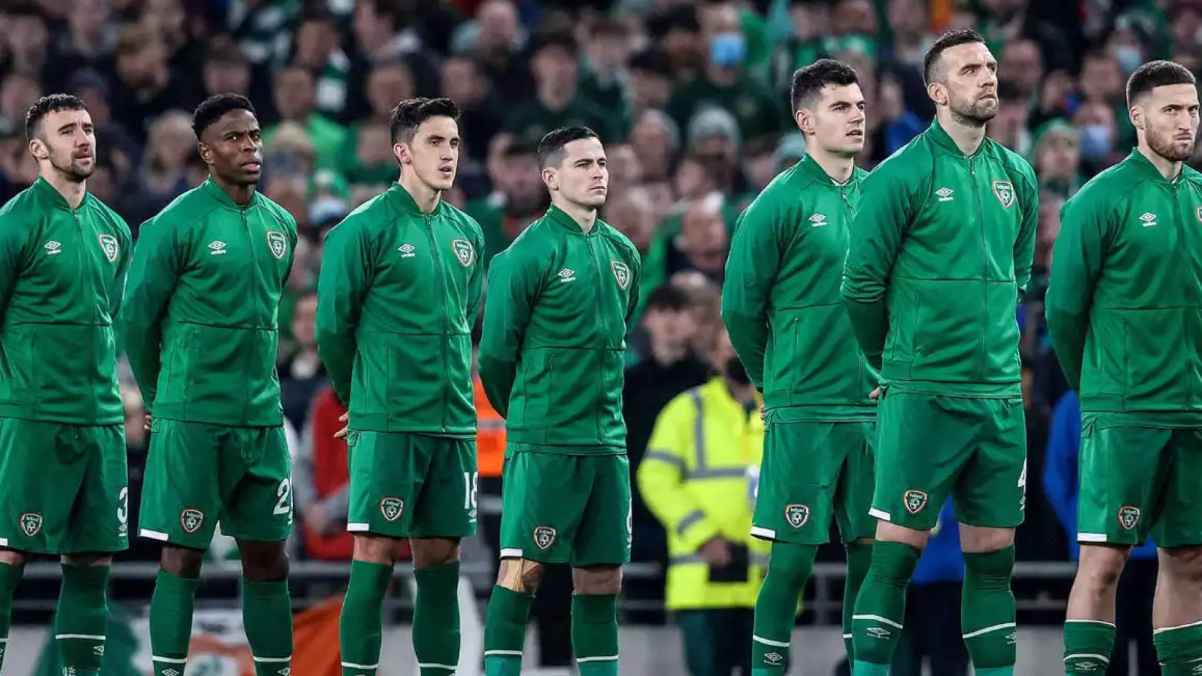
The Football Association of Ireland (FAI) issued an official statement clarifying the controversy over the national team’s scheduled matches against the occupation's team in the 2026–2027 UEFA Nations League.
The FAI confirmed that the team will honor its sporting commitments, playing both matches after being drawn together in Group 3 of League B, alongside Austria and Kosovo. The first match is set to take place away on September 27, with the return fixture in Dublin on October 4.
Between Boycott Demands and Regulations
This decision follows firm positions the FAI took in November, officially requesting UEFA to suspend the occupation team's membership and ban its clubs and national teams due to the war on Gaza.
The statement noted that, although the FAI’s general assembly supported a boycott, refusing to play would result in automatic forfeits and severe disciplinary penalties, including possible exclusion from the continental competition.
Coach Hálgrímsson’s Perspective
The national team coach, Iceland’s Heimir Hálgrímsson, had previously voiced support for the FAI’s stance, criticizing the lack of sanctions against the occupation team similar to those imposed on Russia after the invasion of Ukraine. He stated he saw “no difference” between the two situations.
However, Hálgrímsson clarified that he would lead the team to play if drawn against the occupation entity, adhering to UEFA regulations.
Organizational Strain and Public Pressure
Ireland now faces major logistical challenges, especially for the Dublin match, with public calls for boycott intensifying among pro-Palestinian supporters. Security measures are expected to be tight, considering potential protests and Palestinian flags in the stands.
The FAI’s decision to participate is seen as a “necessary compromise” to maintain Ireland’s football standing in Europe, despite the clear conflict with its previously stated political and ethical positions.