
Youngest dementia patient dies in rare case at 24
Note: AI technology was used to generate this article's audio.
- A 24-year-old dies from a rare form of dementia, donating his brain for scientific research
- Mother hopes donation will help understand the disease and assist other families
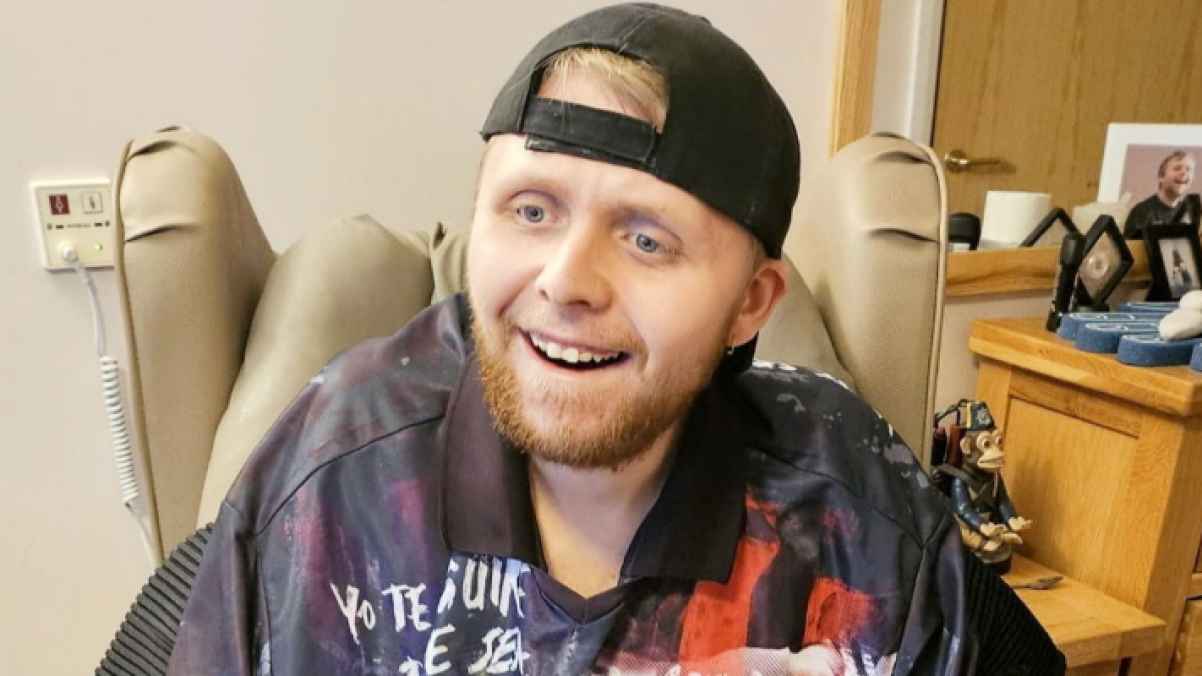
A 24-year-old man passed away over the Christmas holiday due to dementia, leaving his brain to researchers for further studies on this devastating disease.
Andre Yarham, who lived in Dereham, Norfolk, was diagnosed with frontotemporal dementia caused by a genetic mutation a month before his 23rd birthday.
His mother, Samantha Fairbairn, said she donated her son’s brain to science in the hope it would contribute to understanding this rare condition, which affects about one in 20 people diagnosed with dementia, according to a specialized UK charity.
Changes in Yarham’s behavior were first noticed after his mother’s marriage to her new husband in November 2022, as he began showing forgetfulness and sometimes inappropriate conduct.
Scans at Norfolk and Norwich University Hospital showed unusual brain shrinkage before Addenbrooke’s Hospital in Cambridge confirmed the dementia diagnosis.
Fairbairn, 49, expressed mixed emotions of grief and anger, noting that the disease never took away her son’s personality, sense of humor, or smile until the very end.
He lost his ability to speak a month before his death but could still laugh and move before requiring full personal care.
Yarham entered a care home in September, walking slowly, but became wheelchair-bound after roughly a month.
His mother described dementia as “an extremely cruel disease,” emphasizing she would not wish it on anyone.
Fairbairn added that dementia does not discriminate by age, noting her son was among the youngest affected, and unlike cancer patients who may improve with treatment, dementia offers no remedy, only ongoing suffering.
Yarham died at Priscilla Bacon Lodge hospice in Norwich on December 27, and his brain was donated to Addenbrooke’s Hospital for scientific research.
His mother said the hope behind the donation is to help other families in the future spend more time with their loved ones.
Experts note that frontotemporal dementia often has a genetic link, meaning family members may also be at risk, and genetic testing can reveal potential hazards.