
War is suffocating Tyre… and the residents are facing the pain with deep sorrow and regret
Note: AI technology was used to generate this article's audio.
Lebanon is suffering as the ongoing war continues to impact several regions.
The scattered memories of the Lebanese people deepen their sorrow and pain.
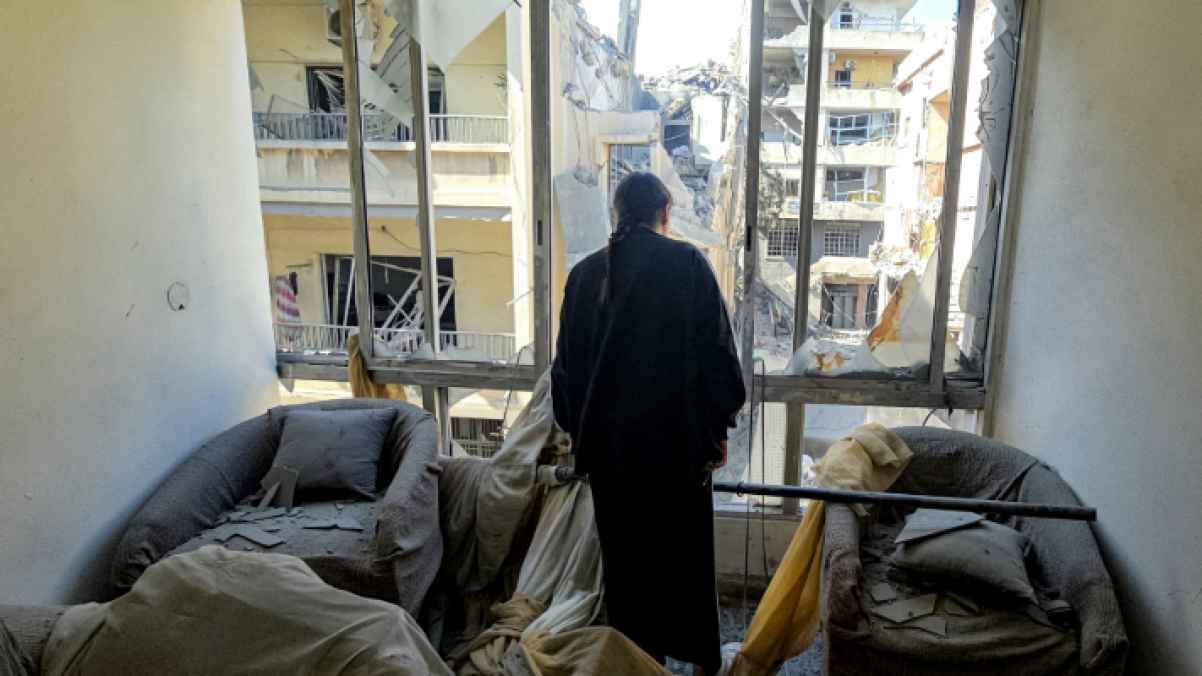
In the southern Lebanese city of Tyre, night is no longer a time for rest; instead, it has turned into heavy hours filled with the sounds of explosions mixed with the silence of fear. Amid damaged buildings and shattered windows, a woman stood staring from her exhausted home as if searching through the darkness for something that no longer exists — safety stolen in an instant, or a life that only days ago seemed ordinary. Her image alone captured the pain of an entire city worn down by war and left trapped in anxiety and anticipation.
The ongoing Israeli bombardment of southern Lebanon has left behind not only destruction, but also hearts burdened with grief. Many families now spend their nights between the roar of warplanes and the fear of the next strike, while homes once full of life have become cracked walls and scattered memories. Children wake up terrified, and mothers try to hide their fear so that the little sense of security left inside their homes does not collapse.
Despite talk of extending the ceasefire and holding new political talks, residents of southern Lebanon are living a completely different reality. For them, political statements are not enough to erase the daily terror, as every new strike revives scenes of displacement and loss, planting within them the bitter feeling that war is still dangerously close, even while the world speaks of calm.
In the streets of Tyre and the surrounding villages, the signs of pain are visible on people’s faces. Shops remain closed, roads are nearly empty, and neighborhoods have lost their identity beneath the rubble. Many there fear not only death, but also becoming accustomed to this devastation, until the sound of bombardment turns into part of everyday life. It is the sorrow of a people trying to hold onto what remains of hope amid an increasingly harsh reality.
Today, Lebanon is facing more than the destruction of buildings; it is enduring a deep humanitarian wound that leaves its mark on souls before stones. Between a mother waiting for her son to return, a child asking why war exists, and families trying to survive with what remains of their memories, the tragedy of southern Lebanon stands as one of the most painful images of human suffering, where people live each day hoping for a morning with less fear and more mercy.