
European boycotts shake the largest music competition in support of Gaza
Note: AI technology was used to generate this article's audio.
“Eurovision” is facing one of its most sensitive crises in recent years Broadcasting bodies in European countries have decided to replace it with content about Gaza
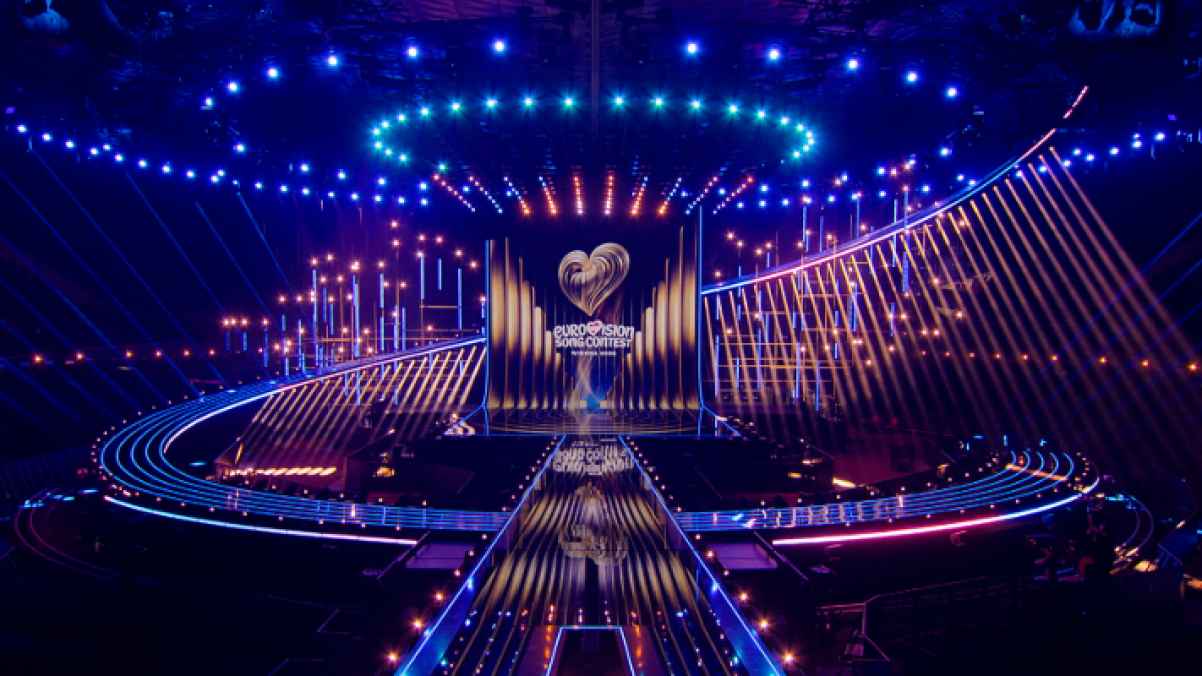
The Eurovision Song Contest is facing one of its most sensitive crises in recent years amid growing controversy over the participation of Tel Aviv, along with political repercussions that have pushed several European countries to take protest measures, including boycotting broadcasts or reducing media coverage, in objection to the ongoing military operations in Gaza.
According to a Reuters report, broadcasters in Ireland, Spain, the Netherlands, Slovenia, and Iceland have announced that they will withdraw from the live broadcast of the final scheduled for Saturday and replace it with previously aired artistic content or documentary films highlighting the humanitarian situation in Gaza, in a move that reflects the widening scope of objections across the European media landscape.
These developments come at a time when Eurovision is considered one of the world’s largest televised events, attracting around 166 million viewers in its 2025 edition, making any boycott or withdrawal highly significant in terms of media reach and public engagement.
Pro-Palestinian protests
During the semi-final held in Vienna, the participation of a contestant linked to Tel Aviv faced protests from demonstrators supporting Palestinians while he was performing on stage, reflecting the level of political tension surrounding this year’s contest.
In the same context, some national broadcasters have turned to alternative options, such as organizing parallel viewing events or airing substitute content, in an attempt to express their stance on the crisis without fully withdrawing from the event.
In Belgium, organizers of a parallel event announced the launch of an alternative screening of the contest, amid a noticeable decline in viewership rates, as the public broadcaster recorded a drop of nearly half compared to last year, partly attributed to the growing controversy surrounding the participation.
For its part, the European Broadcasting Union, the organizer of Eurovision, has maintained relative silence regarding these boycotts, reiterating in previous statements that the contest is intended to be a “non-political event” designed to bring countries together through music.
Observers believe these developments reflect the growing influence of politics on global cultural and artistic events, turning Eurovision from a celebratory music platform into an open international arena of debate over the boundaries between art and politics.