
Eta Aquarid Meteor Shower Peaks in May 2026
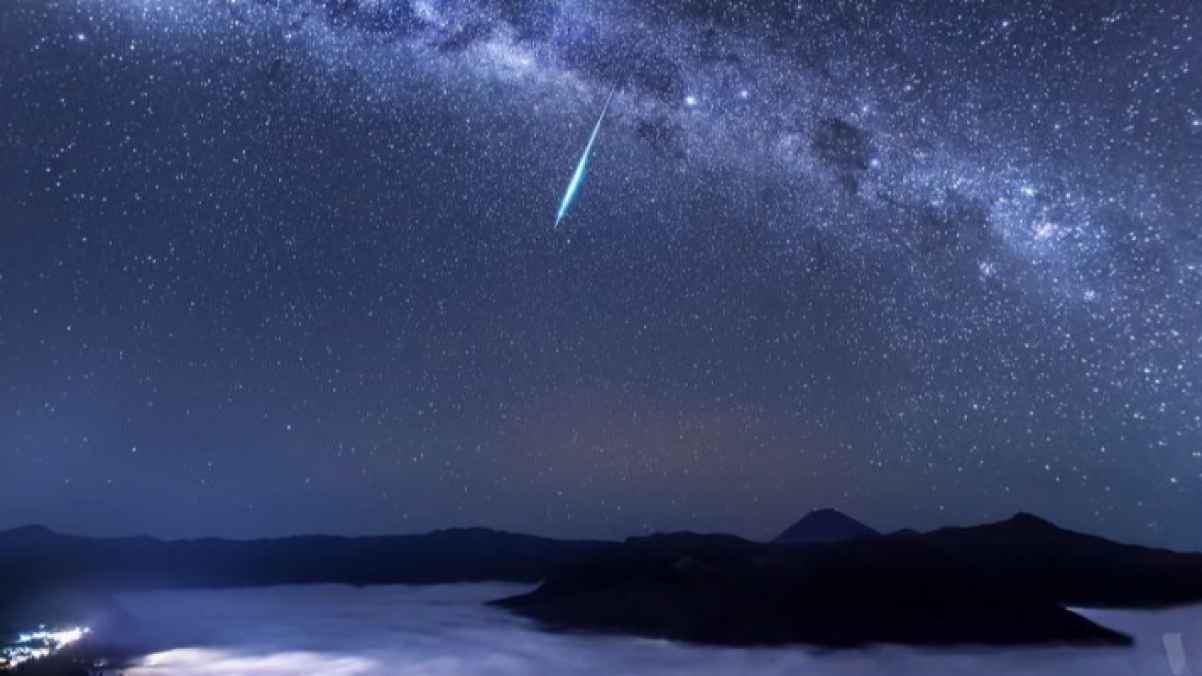
Illustrative image
Listen to this story:
0:00
Note: AI technology was used to generate this article's audio.
Note: AI technology was used to generate this article's audio.
The Eta Aquarid meteor shower will be active from 19 April to 28 May 2026, reaching its peak overnight on 5–6 May, with the best viewing time expected before dawn on 6 May, when the radiant point is highest in the sky.
The shower originates from debris left by Halley’s Comet and is considered one of the stronger annual meteor showers, best observed from the Southern Hemisphere and near equatorial regions, though it remains visible in parts of the Northern Hemisphere.
According to the American Meteor Society, peak rates may reach up to 50 meteors per hour under clear skies, with meteors traveling at speeds of around 66 kilometers per second.
The shower is named after the constellation Aquarius, from which the meteors appear to originate, although their actual source is debris from Halley’s Comet.
In the Southern Hemisphere, the shower is among the most prominent sky events of the year, while observers in the Northern Hemisphere can typically expect between 10 and 30 meteors per hour at peak.
For optimal viewing, dark locations away from light pollution are recommended, allowing at least 30 minutes for eye adaptation, avoiding bright screens and white lights, and scanning different parts of the sky rather than focusing on a single point.