
Man Wins Picasso Painting in Charity Raffle in France
Note: AI technology was used to generate this article's audio.
- Massive global charity raffle raises millions of euros to fund medical research through a rare artwork
- French engineer receives news of winning a valuable artwork in a surprise video call
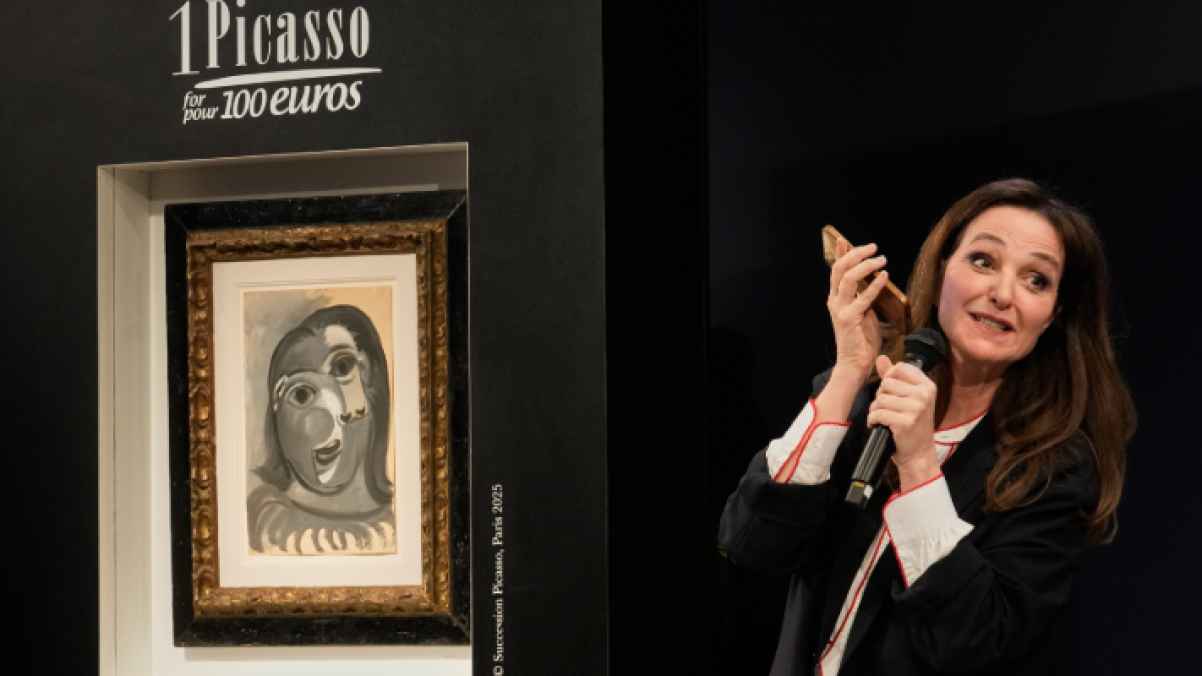
A French man has won an original painting by Spanish artist Pablo Picasso, valued at over €1 million (about $1.2 million), through a charity raffle that attracted tens of thousands of participants worldwide for tickets priced at no more than €100.
The winner, Ari Houdara, an engineer and art enthusiast, was announced during a video call from Christie’s auction house in Paris. He initially reacted in disbelief, saying: “How can I be sure this isn’t a joke?”, before being officially told he had become the owner of a 1941 painting.
The charity draw sold more than 120,000 tickets, raising around €11 million (about $13 million), much of which was allocated to Alzheimer’s research as part of a global humanitarian initiative.
The winning artwork, titled Head of a Woman, depicts Picasso’s muse and partner, surrealist artist Dora Maar, in his signature style. It was the main prize in the third edition of the “Picasso for €100” initiative, launched in 2013.
Houdara said after the announcement that he never expected to win, adding: “When you take part in competitions like this, you don’t think you will win, but I’m very happy—it’s a special moment for me as an art lover.”
According to organizers, the winning ticket was bought spontaneously over the weekend after the winner discovered the draw by chance, carrying the number 94,715.
The initiative was launched by French journalist Perri Cochran with support from Picasso’s family and foundation. Organizers noted that having a winner based in Paris made the handover easier, despite participation from dozens of countries.
The current owner, Opera Gallery, is set to receive €1 million from the proceeds, while the remainder will go to France’s Alzheimer’s research foundation.
The foundation said the initiative represents another step in supporting research, with hopes that the disease will one day become “just a bad memory.”