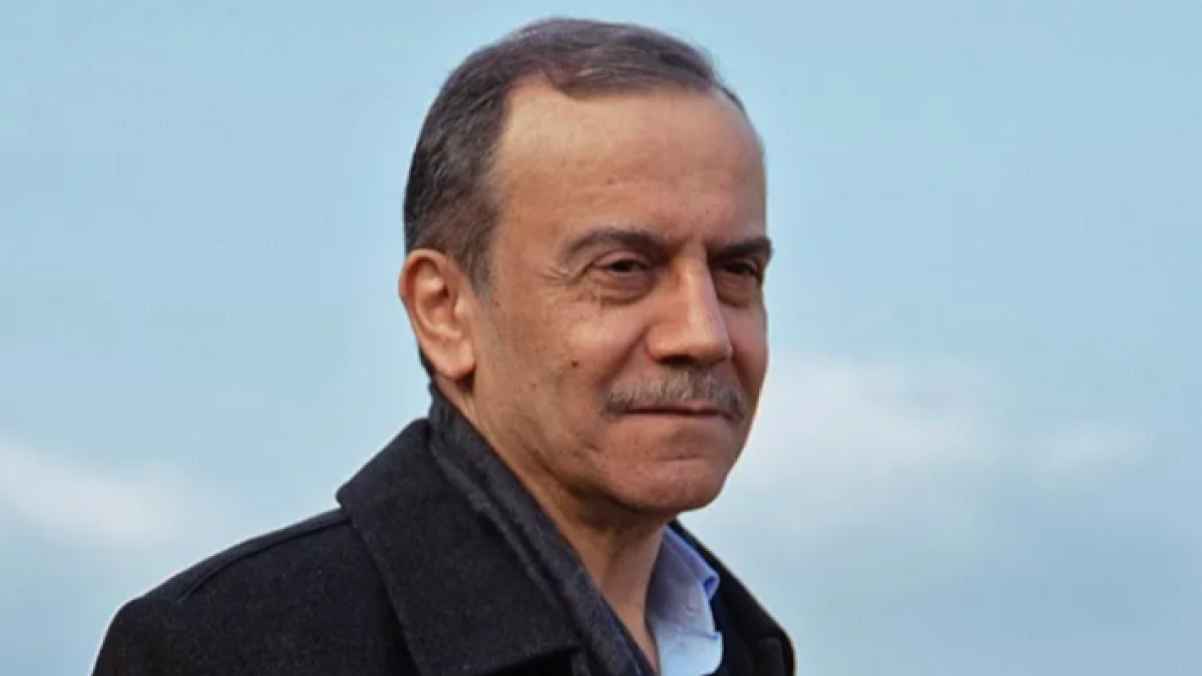
Ahmed Qaabour dismounted from the pinnacle of art, leaving behind a message of struggle
Note: AI technology was used to generate this article's audio.
Death of Ahmed Qaabour at the age of 70 Ahmed Qaabour: An eternal message with his patriotic voice
Death struck on Thursday, as the Lebanese artist Ahmed Qaabour passed away at the age of 70, after a long struggle with illness, leaving behind a deep artistic, cultural, and national legacy engraved in the memory of the people.
The news of his passing did not go unnoticed, as waves of grief spread, highlighting his lifelong struggle and committed art, confirming that he was a voice representing the concerns and causes of the land.
His family mourned him, considering his departure a great loss to the creative scene in Lebanon and the Arab world.
Artistic circles announced that the farewell ceremony for Ahmed Qaabour will take place on Friday in the capital Beirut. The body will depart from Al-Maqasid Hospital in the New Road area, to be prayed over at Al-Khashoggi Mosque at noon, before being laid to rest in the "Martyrs' Cemetery," in a scene reflecting his artistic and human stature and the love of his admirers.
Growing up in an artistic environment Ahmed Qaabour was born in Beirut in 1955 and grew up in an artistic environment, as his father was the musician Mahmoud Al-Rashidi.
He graduated from the Lebanese University’s Institute of Fine Arts in 1978 and began his artistic career in acting, before moving to committed singing linked to the causes of resistance and Palestine, preserving the voice of the homeland in all his works.
“I Call You” – The power of words and the struggle of meaning The song “I Call You,” with lyrics by poet Tawfiq Ziad, is an iconic piece that immortalized Ahmed Qaabour’s name as a symbol of resistant art. His contributions were not limited to national songs but also included works for children and musical plays that left a clear mark on Lebanese culture, confirming his position as a committed and influential artist.
The departure of Qaabour was not merely the loss of an artist, but a mark on Lebanon’s cultural and artistic history, where his name was inscribed in gold in the memory of his admirers. His creative and national impact continues to move the hearts of generations, keeping the “voice of the land” present in the hearts of all his fans.