
Massive Boom as Meteor Enters Earth’s Atmosphere in the U.S. – Video
Note: AI technology was used to generate this article's audio.
- Massive sky explosion shakes northern Ohio and surrounding Areas
- Small meteor produces visible fireballs
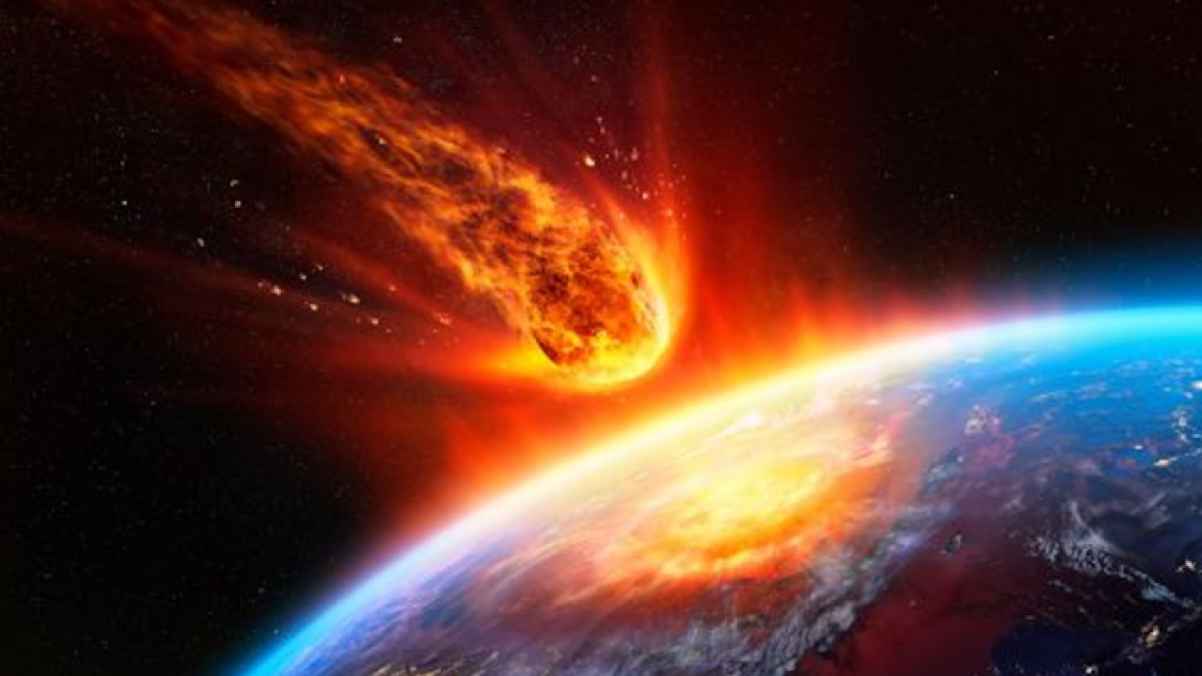
A meteor over Ohio caused a powerful boom on Tuesday that was felt by residents as far away as Pennsylvania, NASA confirmed.
According to NASA spokesperson Bill Cook, the meteor entered Earth’s atmosphere around 9 a.m. local time, creating a sonic boom that rattled northern Ohio and nearby areas. Residents from Cleveland and regions stretching to Pittsburgh and New York reported hearing the explosion.
Cook explained that the meteor was traveling at 45,000 mph, describing the speed as “fast for humans but slow for meteors.” He added that the meteor measured roughly 2 meters in diameter and weighed about six tons, still classified as a small meteor by NASA standards.
Some residents initially thought a tree had fallen on their roofs, while one described the sound as resembling fireworks that “lingered and rumbled like thunder.”
The National Weather Service office in Cleveland confirmed that satellite data indicated the boom was caused by a meteor, while the Pittsburgh office shared a video showing the meteor streaking across the sky, captured by one of its employees.
Meteorologist Brian Mitchell noted that while some small fragments may have reached the ground, most burned up in the atmosphere, and no debris has been reported so far.
NASA also confirmed the meteor sighting, explaining that the fireball was caused by a small meteor about six feet in diameter and weighing roughly seven tons. It moved southeast at 45,000 mph before breaking apart over Valley City. The fragments continued south, producing visible fireballs near Medina County, Ohio.
Meteors are space rocks that burn up upon entering Earth’s atmosphere at high speeds, creating bright streaks of light sometimes called “shooting stars.” Studies show that roughly 17,000 meteorites fall to Earth each year. Most space rocks smaller than a football field break apart in the atmosphere, though very rarely, they may explode in midair.