First Indian State to Ban Social Media for Minors
Note: AI technology was used to generate this article's audio.
- Karnataka becomes first Indian state to ban social media for minors
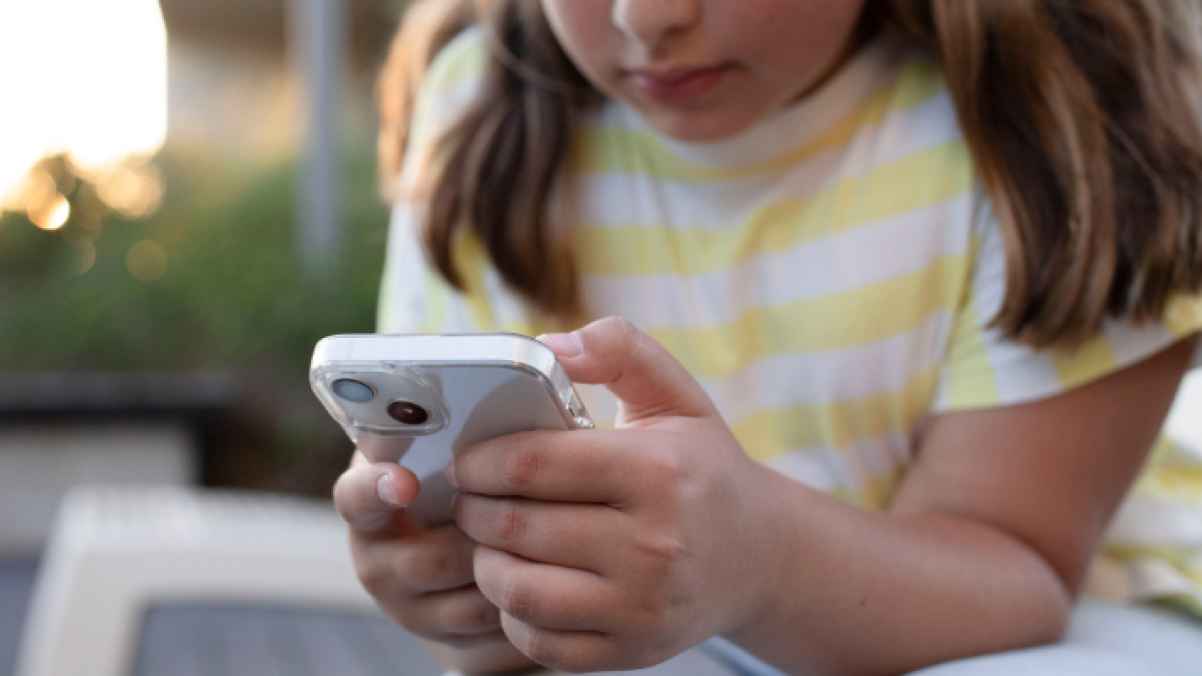
Karnataka has prohibited children under 16 from using social media platforms in a move aimed at curbing the effects of the internet on young users. The southern Indian state, which includes the tech hub of Bengaluru, is the first in India to join global calls for stricter regulation of children’s internet use.
The decision comes amid growing concerns over children’s social media addiction and unrestricted online access. Australia led the way last December with a similar ban, while the UK, Denmark, and Greece are considering comparable measures.
Similar initiatives are also emerging in other parts of India, one of the world’s largest social media markets.
Speaking during his annual budget address, Karnataka’s Chief Minister Siddaramaiah said, “To protect children from the harmful effects of excessive mobile phone use, social media will be banned for children under 16,” without specifying when the measure will take effect.
India is the world’s second-largest smartphone market, with around 750 million people owning smart devices and about a billion internet users. This makes it Meta’s largest user base globally for Facebook, Instagram, and WhatsApp.
According to a government report, children under 15 make up less than a quarter of Karnataka’s 67.6 million residents. Bengaluru hosts major tech companies including Microsoft, Amazon, IBM, Dell, and Google, amplifying the potential impact of the ban.
In related news, the neighboring state of Goa is considering a similar restriction, while a legislator in Andhra Pradesh has proposed a bill to limit children’s social media use.
Some experts and activists argue that age restrictions alone may not be sufficient, noting that children could bypass them with falsified documents. They call for policies and educational programs to help children and parents use social media safely and responsibly.