Over 800,000 Asteroid Alerts Sent in a Single Night
Note: AI technology was used to generate this article's audio.
- Rubin observatory launches automated system to track space objects
- Over 800,000 alerts sent during first night of operation
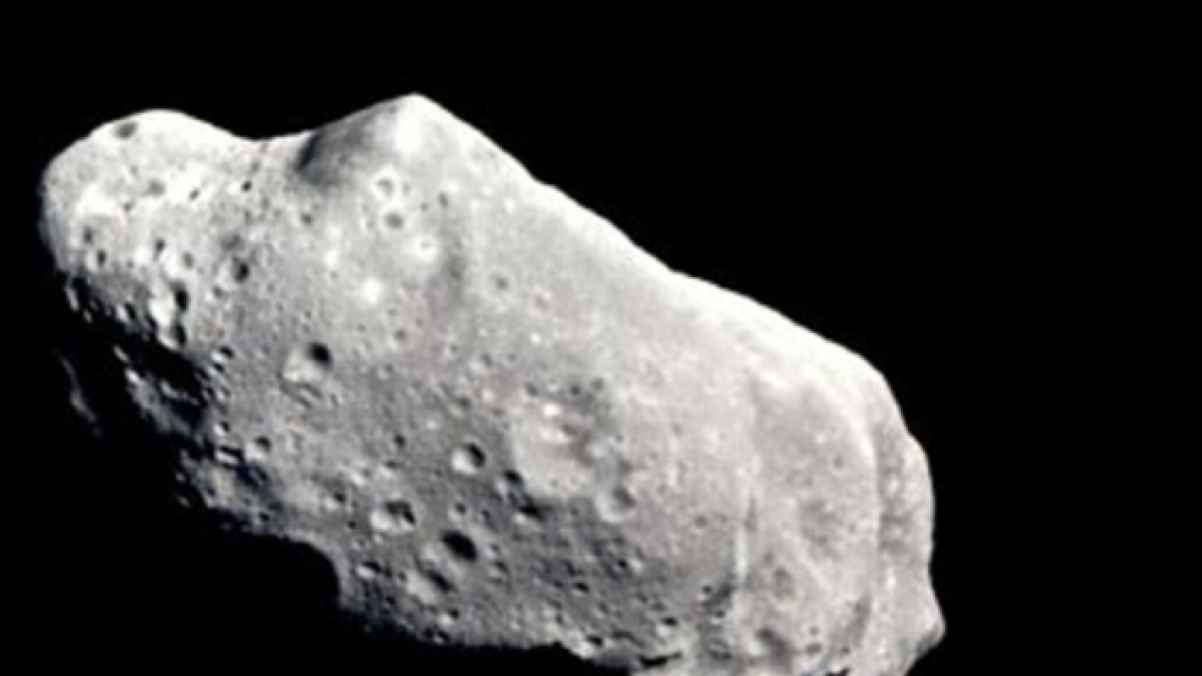
The Vera C. Rubin Observatory has officially activated its automated system for monitoring space objects and their movements, generating more than 800,000 alerts during its first night of operation in late February.
The observatory detected a wide range of celestial bodies, including asteroids, supernovae, and active black holes, with daily alerts expected to reach millions in the coming period.
Rubin’s system uses a car-sized camera to capture high-resolution images of the sky—about a thousand photos each night. These images are automatically compared with previous ones to detect any changes.
When a difference is detected, the system’s algorithms issue an immediate alert to determine whether it indicates a supernova, a moving asteroid, or another phenomenon, sending the information within minutes to astronomers worldwide.
This system allows scientists to respond quickly to short-lived space events and includes an internal filter to organize alerts by type, brightness, and frequency, preventing researchers from being overwhelmed by large volumes of notifications.