
Interstellar comet from outside the solar system reveals new insights into planet formation
Note: AI technology was used to generate this article's audio.
- Comet provides rare data on cold formation environments
- Chemical composition differs from what is observed within the solar system
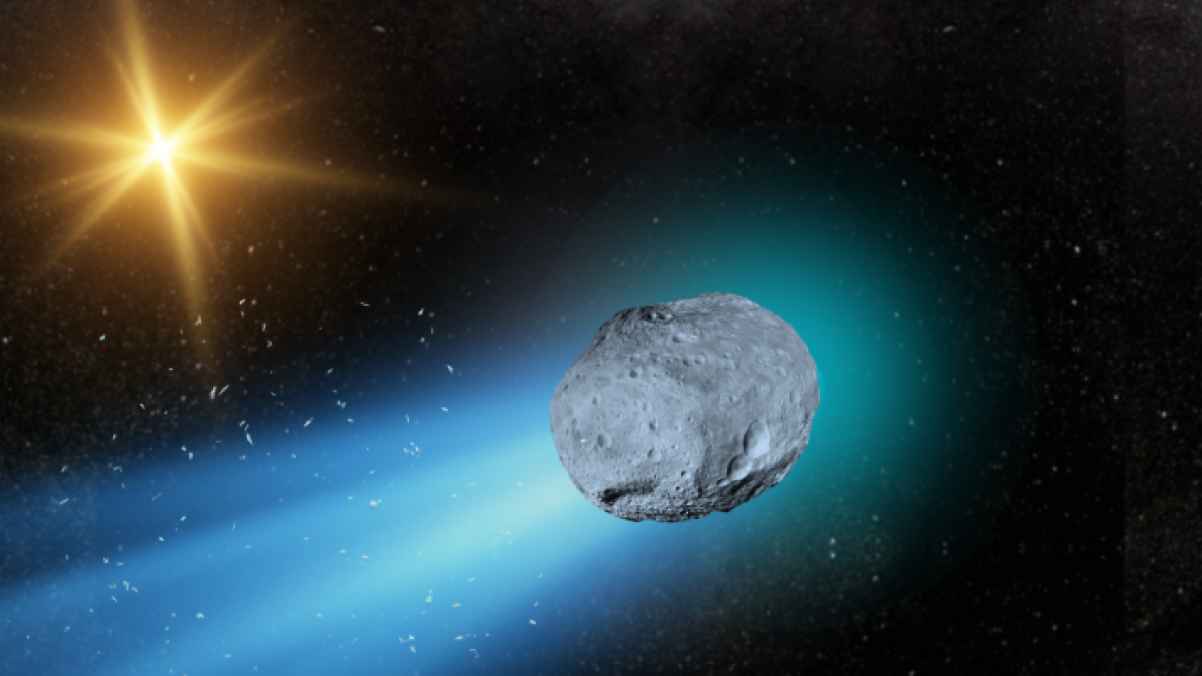
A scientific study has found that a comet originating from outside the solar system, known as 3I/ATLAS, carries unusual chemical signatures that help improve understanding of how planetary systems form in environments different from those that shaped the solar system.
The comet was discovered about a year ago while passing through the solar system in a rare interstellar transit, as a body originating from interstellar space.
Although its exact origin remains unknown, analyses suggest it formed in an extremely cold, low-radiation environment.
Results published in the journal Nature Astronomy show that the comet contains unusually high levels of deuterium-enriched water, a form of hydrogen containing an extra neutron in its nucleus.
The proportion of deuterium in the comet’s water is estimated to be around 30 times higher than in any known solar system comet, and significantly higher than levels found in Earth’s oceans.
Researchers say these chemical ratios can be used as a key to understanding the conditions under which planetary bodies formed in different regions of the galaxy.
Lead researcher Luis Salazar Manzano noted that the findings indicate the conditions that formed the solar system are not universal across the galaxy, but vary significantly between planetary environments.
The data were obtained through multiple observatories, including the Michigan Observatory and ALMA in Chile, enabling high-precision chemical analysis of an object originating outside the solar system.
Scientists believe such discoveries could pave the way for future studies of additional interstellar objects, offering deeper insight into planetary formation processes.
Researchers also stress the importance of preserving dark night skies to ensure continued detection of faint and distant objects in space.