
Astronomer predicts rocket body impact on the Moon in August with no expected risk
Note: AI technology was used to generate this article's audio.
- Ongoing orbital drift of a discarded rocket stage raises the possibility of a lunar encounter
- Astronomical tracking suggests the impact could be observable from Earth under specific viewing conditions
A fresh wave of astronomical projections indicates that a defunct rocket stage linked to SpaceX may strike the Moon in early August, according to Space.
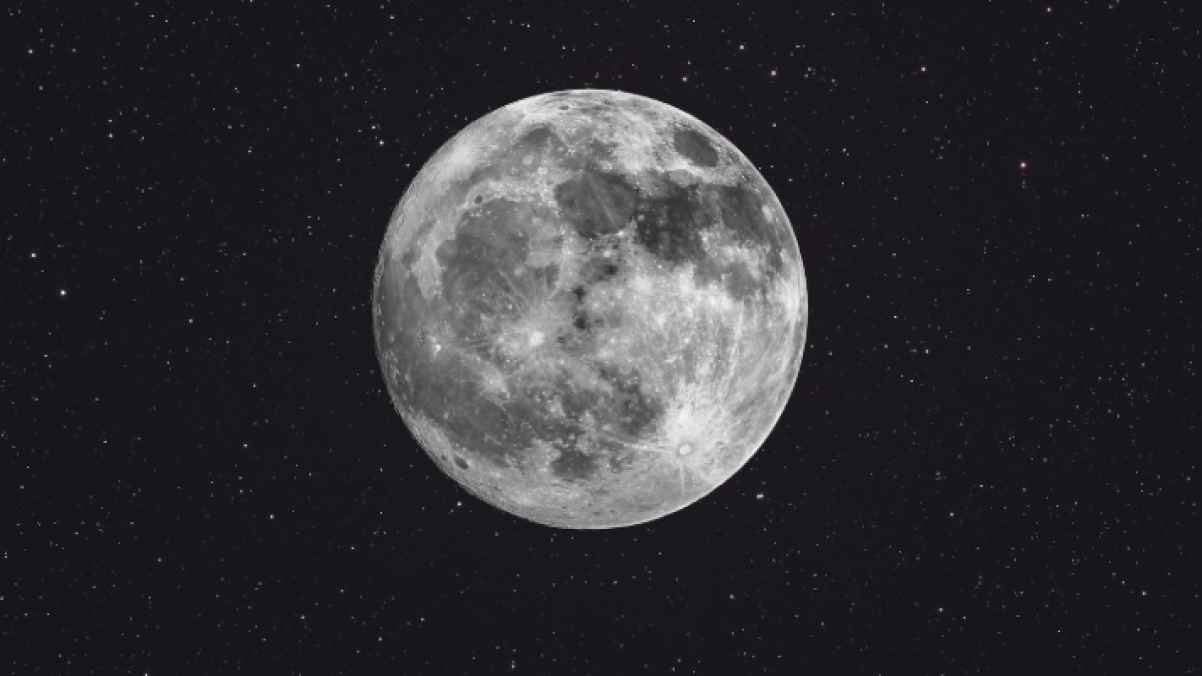
Based on tracking by specialists in space object monitoring, the upper stage of a Falcon 9 rocket launched last year—designated 2025-010D—has entered a trajectory that could lead to a collision with the Moon’s near side on August 5, close to the lunar limb as seen from Earth.
Astronomer Bill Gray, developer of the widely used sky-tracking software “Guide,” said the object’s orbit has gradually shifted over the past year, placing it on a possible impact course with the Moon.
Gray noted that his team has followed the object since launch, adding that, in theory, the event might be visible from Earth, as it would occur on the sunlit portion of the lunar surface with the Moon slightly more than half illuminated—conditions that could allow a flash of impact to be detected.
However, he cautioned that similar past attempts to observe such events have produced no clear visual confirmation, despite favourable conditions, referring to NASA’s Lunar impact experiment in 2009, which struck the Moon without a visible flash from Earth.
The development comes after Firefly Aerospace’s Blue Ghost 1 mission achieved a historic lunar landing in March, marking one of the longest-running commercial operations on the Moon.
Also aboard the Falcon 9 was Japan’s Resilience lander under the HAKUTO-R mission, which was lost moments before landing due to a sensor malfunction.
While lunar impacts from human-made objects are not new, the current case is attracting unusual attention due to the potential for Earth-based visibility, prompting astronomers and enthusiasts to watch closely for what could become a rare celestial display this summer.