
Study finds drop in seismic noise during solar eclipse
Note: AI technology was used to generate this article's audio.
- Temporary slowdown in city activity reflects reduced ground vibrations
- Scientific data rules out any link between eclipses and seismic activity
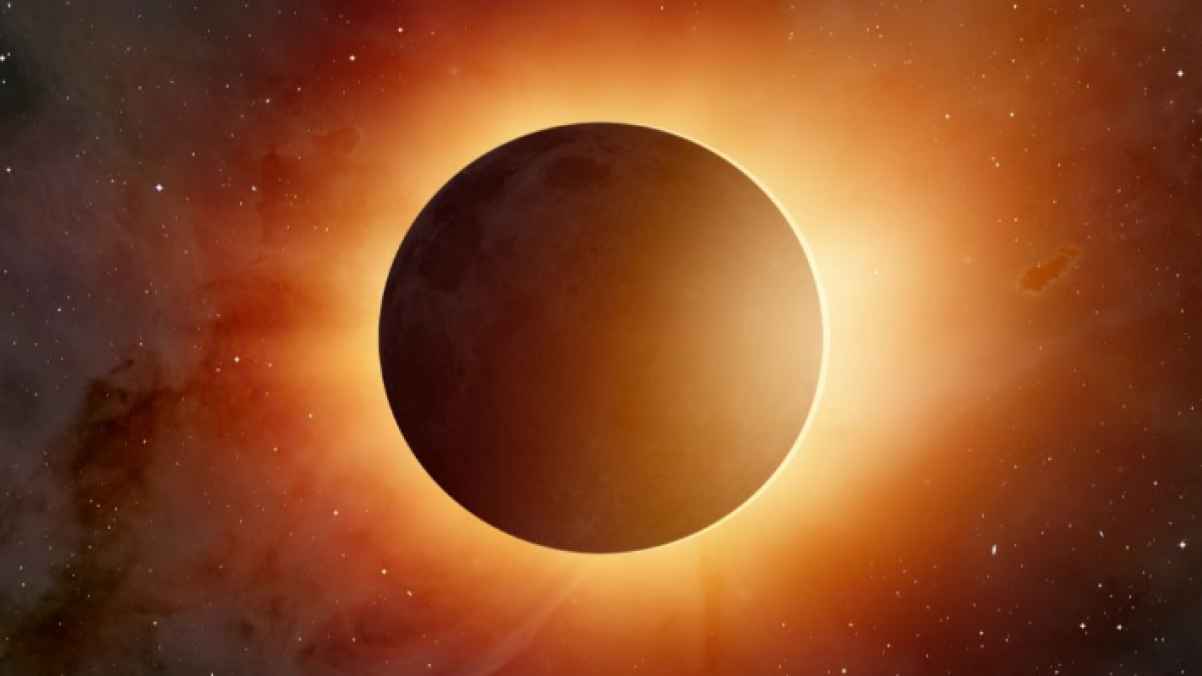
A recent scientific study found that the total solar eclipse that occurred on April 8, 2024 led to a noticeable decline in “seismic noise” across several cities located along the path of the phenomenon in the United States and Canada, according to a presentation delivered at the 2026 Seismological Society annual meeting.
Johns Hopkins University seismologist and planetary scientist Benjamin Fernando explained that while he was in an Ohio city during the eclipse, he noticed a “sudden and significant quiet,” prompting him to investigate whether the same drop appeared in seismic records.
Seismic noise is generated by everyday human activity such as traffic, construction work, large gatherings, and sports or music events, all of which create measurable ground vibrations.
By analyzing data from hundreds of seismic stations throughout April 2024, the researcher identified a clear pattern of quiet in cities that experienced complete darkness during the eclipse. Noise levels rose slightly before the event began, then dropped significantly once the Sun was fully obscured, before later rising again to slightly above the monthly average.
He noted that this effect was only recorded in cities directly within the path of totality, while it did not appear in rural areas or locations that experienced only a partial eclipse—even in places like New York, where coverage reached 97%.
According to the study, this decline reflects a temporary pause in urban life during a major cultural event in highly active cities where daily human activity strongly influences ground vibrations.
The findings also echo earlier observations from the 2020 COVID-19 lockdown period, which saw one of the most significant global reductions in seismic noise, dropping by up to 50%.
The results further challenge the common belief that the alignment of the Sun, Moon, and Earth during an eclipse increases seismic activity, with data confirming no connection between eclipses and earthquakes.