
Mummy Tooth in Bolivia Reveals New Clues About the History of Scarlet Fever
Note: AI technology was used to generate this article's audio.
- Ancient genetic evidence reshapes long-held theories on how the infection emerged and spread
- Advanced analytical techniques reveal bacterial evolution continuing over thousands of years
A recent scientific study suggests that scarlet fever may have been circulating in the Americas centuries before the arrival of Europeans, challenging the long-standing belief that it was introduced during the colonial era.
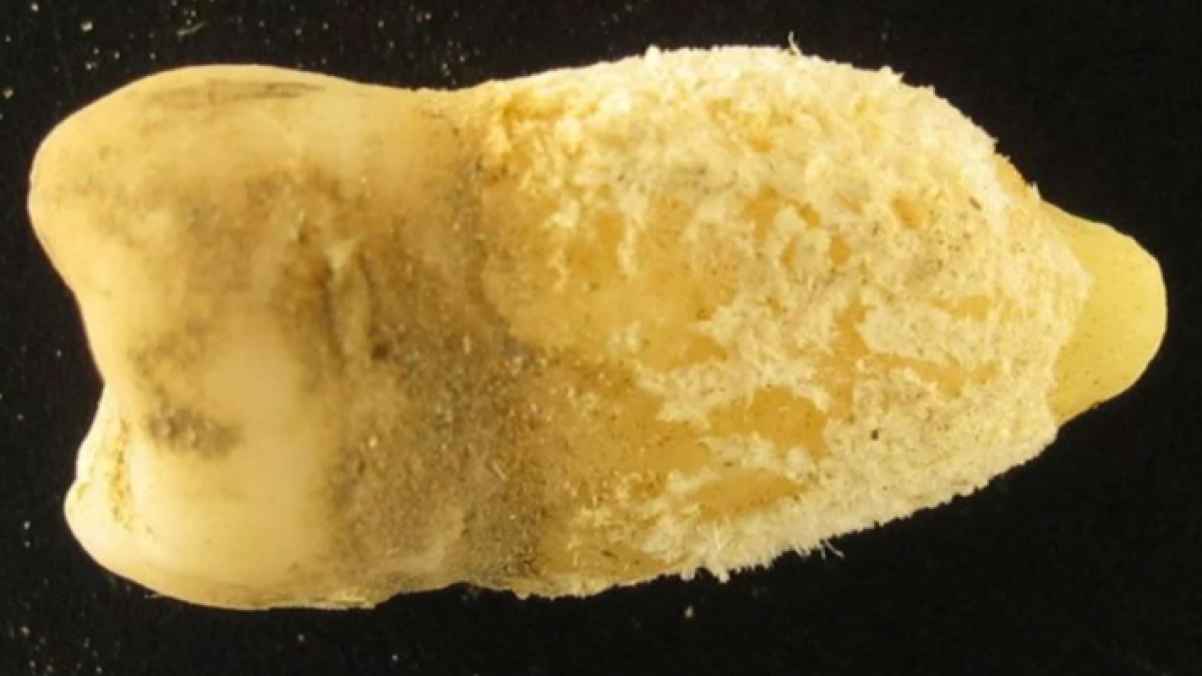
Researchers from Italy and the United Kingdom have identified genetic traces of a bacterium linked to the disease inside a tooth from a mummified skull belonging to a man who lived between 1283 and 1383 AD in the highlands of present-day Bolivia.
The findings indicate that the discovered bacterial lineage is closely related to modern strains that cause throat infections and may have diverged around 10,000 years ago, suggesting a much deeper prehistorical presence among human populations.
Scientists believe early human migrations across the Bering Strait around 22,000 years ago could have played a role in spreading the bacterium between continents, with regions such as Siberia potentially acting as key transmission routes.
Before the era of antibiotics, scarlet fever was considered one of the most dangerous childhood diseases, often overlapping in symptoms with illnesses such as measles, smallpox, and diphtheria.
The study also argues that the historical narrative of certain so-called “colonial diseases” may be overly simplified, as genetic evidence suggests infections like syphilis and leprosy may have existed across multiple regions long before transcontinental contact.
The researchers analyzed highly degraded ancient DNA extracted from the tooth and were able to reconstruct parts of the bacterial genome using advanced techniques despite the extreme age and fragility of the genetic material.
They hope that understanding the origin and evolution of the bacterium over millennia will support the development of improved treatments, especially as modern strains continue to re-emerge with increasing antibiotic resistance.