
The passing of Layla Al-Jazairiya, the icon of singing and cinema
Note: AI technology was used to generate this article's audio.
Layla Al-Jazairiya passes away at the age of 97Her meeting with composer Farid Al-Atrash marked a pivotal turning point in her artistic career
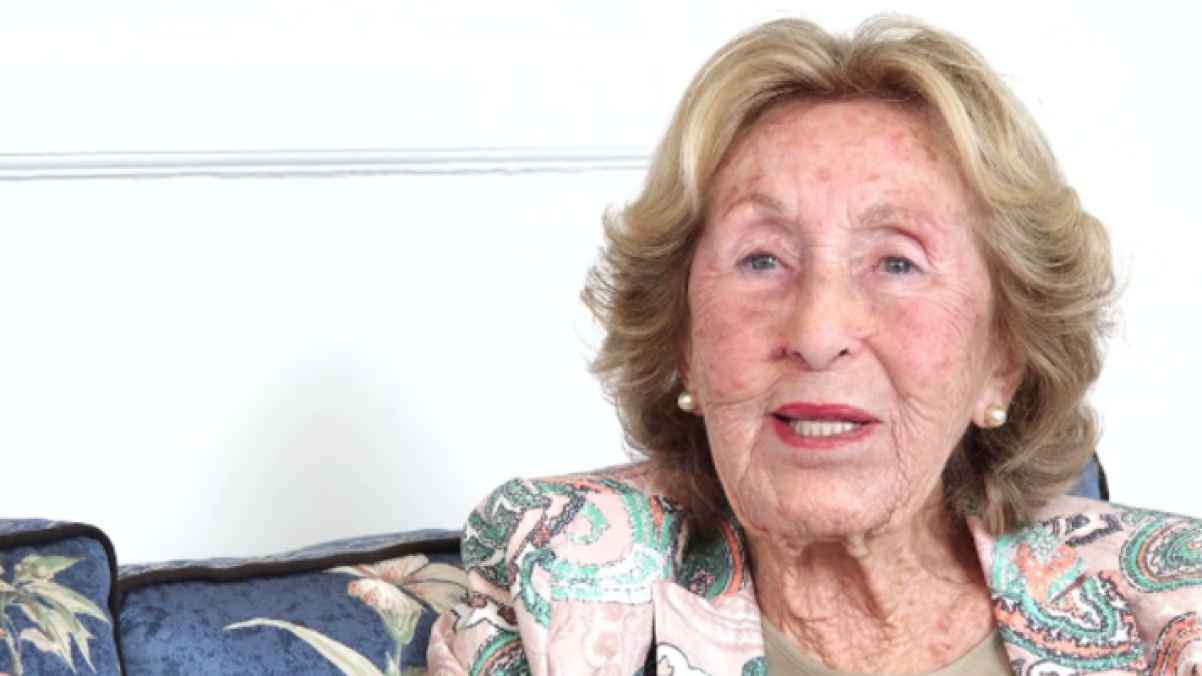
A wave of sadness swept through Arab artistic circles following the death of the artist Layla Al-Jazairiya, the stage name of the late Fatima Al-Zahraa Hakim, at the age of 97 in Casablanca, Morocco. With her passing, a major chapter of classic Arab art—an era that shaped the memory of 20th-century music and cinema—comes to a close.
In recent hours, the late artist’s name has topped search trends and social media platforms, as audiences and classic cinema enthusiasts revisited her photos, clips, and works. She is widely remembered as one of the figures who helped define a refined artistic era marked by simplicity and authentic traditional musical identity.
“Natural death”
According to her family, the death was natural and occurred in the afternoon. She was mourned under her real name “Fatima Al-Zahraa,” while her artistic name “Layla Al-Jazairiya” remained deeply present in Arab cultural memory as the name that accompanied her journey from her early beginnings to stardom.
The late artist was born in the 1920s, during a period of major cultural and artistic transformation in the Arab world. Fate later brought her to Paris, where she began discovering her singing talent in an environment that exposed her to diverse musical influences.
Her encounter with composer Farid Al-Atrash proved to be a decisive milestone in her career. He believed in her talent and introduced her to Arab audiences, marking her transition from amateur to professional artist.
Layla Al-Jazairiya later moved between Paris and Cairo, which gave her artistic experience a unique character blending Western performance influence with Eastern classical musical spirit. This was clearly reflected in her calm singing style and distinctive artistic identity.
Marriage to a football legend
On a personal level, her name was linked to her marriage to Moroccan football legend Abdel Rahman Belmahjoub, a relationship that brought together the worlds of art and sports and remained part of her public narrative.
She presented several cinematic and musical works that secured her place in Arab artistic memory, most notably her collaborations with Farid Al-Atrash in the films “Ayez Atgawwez” (1952) and “Lahn Hobbi” (1953), as well as her appearance in “Doctor Bel Afya” alongside actor Kamal El-Shennawi, where she was known for her calm and refined performance style.
With her passing, it is not just the name of an artist from the golden generation that is lost, but an entire era of Arab art is revisited—an era where simplicity was the essence, and talent and voice were the true path to hearts.