
Study Reveals Chimpanzee Conflict Escalates into “Civil War” in Uganda
Note: AI technology was used to generate this article's audio.
- Internal division in largest wild chimpanzee community
- Wave of deadly attacks leaves dozens killed in recent years
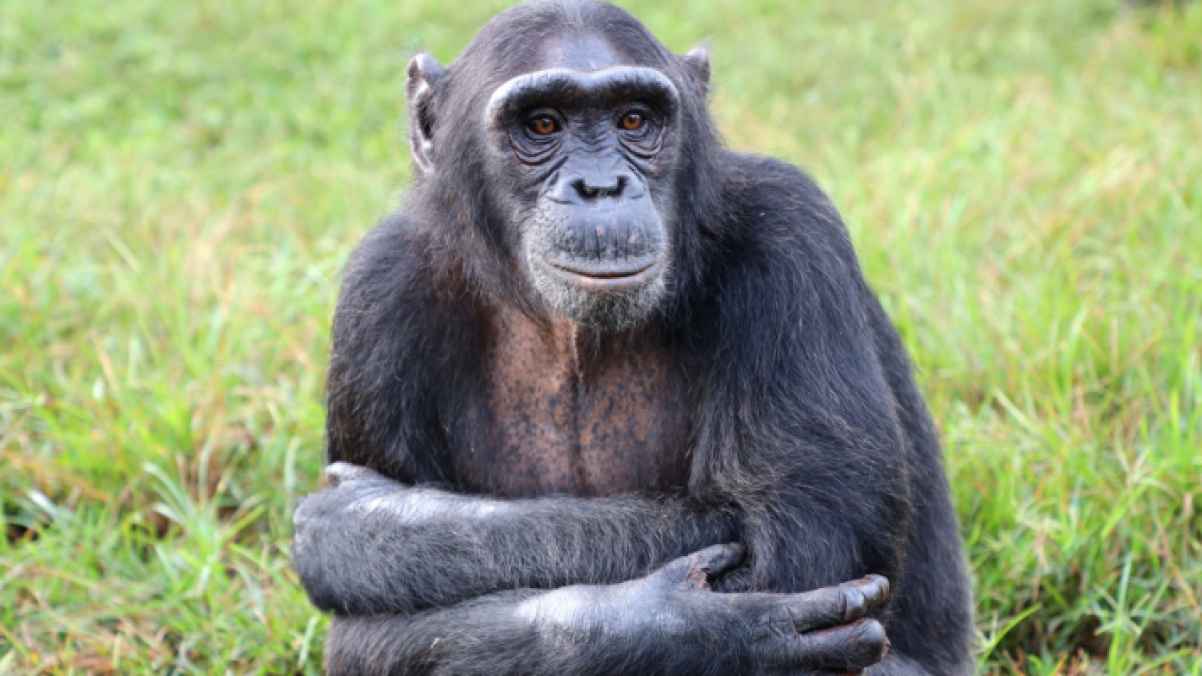
A new scientific study has uncovered an unprecedented rupture within the world’s largest known wild chimpanzee population in Uganda’s Kibale National Park, where a once-cohesive community has fractured into two rival factions locked in an ongoing “civil war” for eight years.
According to researchers, the famous Ngogo community—long known for its strong social bonds—has experienced a series of violent attacks since 2018 that have left at least 24 chimpanzees dead, including 17 infants, with estimates suggesting the real toll could be higher.
Lead researcher Aaron Sandel said the animals “once held hands, but now try to kill each other,” highlighting the dramatic shift in group behavior.
From social cooperation to deep split
The study published in Science shows that the group, which numbered around 200 chimpanzees, lived for years as a single unit despite being loosely divided into two subgroups known to researchers as “Western” and “Central,” before signs of tension began to rise gradually.
Researchers say the first major trigger appeared in 2015, when a confrontation between the two sides was followed by weeks of avoidance, after which interactions became increasingly rare and more hostile.
By 2018, the split had become clear, with the Western group launching direct attacks on the Central group.
Possible drivers behind the escalation
Researchers suggest multiple factors contributed to the breakdown, including shifts in dominance hierarchy, a decline in population due to sudden deaths and respiratory outbreaks, and increased male competition, all of which disrupted social bonds within the group.
They also point to the loss of several adult males in earlier years, along with a respiratory disease outbreak that killed dozens of chimpanzees, as key factors that destabilized internal balance.
Implications beyond animal behavior
These findings, scientists say, extend beyond animal behavior and may offer insight into the early roots of human violence, given that chimpanzees are among humans’ closest genetic relatives.
Researchers note that individuals who had lived and cooperated for years later became targets of lethal attacks simply due to group affiliation, raising questions about the role of social identity in driving conflict.
A researcher at the German Primate Center described the findings as a reminder of the dangers of group fragmentation, adding that studying animal behavior in both peace and conflict may help deepen understanding of human warfare—without implying that evolutionary history determines human destiny.