
Artemis 2 Astronauts to Lose Contact with Earth
Note: AI technology was used to generate this article's audio.
- Artemis 2 astronauts will face 40 minutes of total isolation behind the moon
- Spacecraft will lose contact with mission control
The astronauts of NASA’s Artemis 2 mission are set to experience an unprecedented moment in space exploration history, venturing farther from Earth than ever before and entering a brief period of complete isolation behind the Moon.
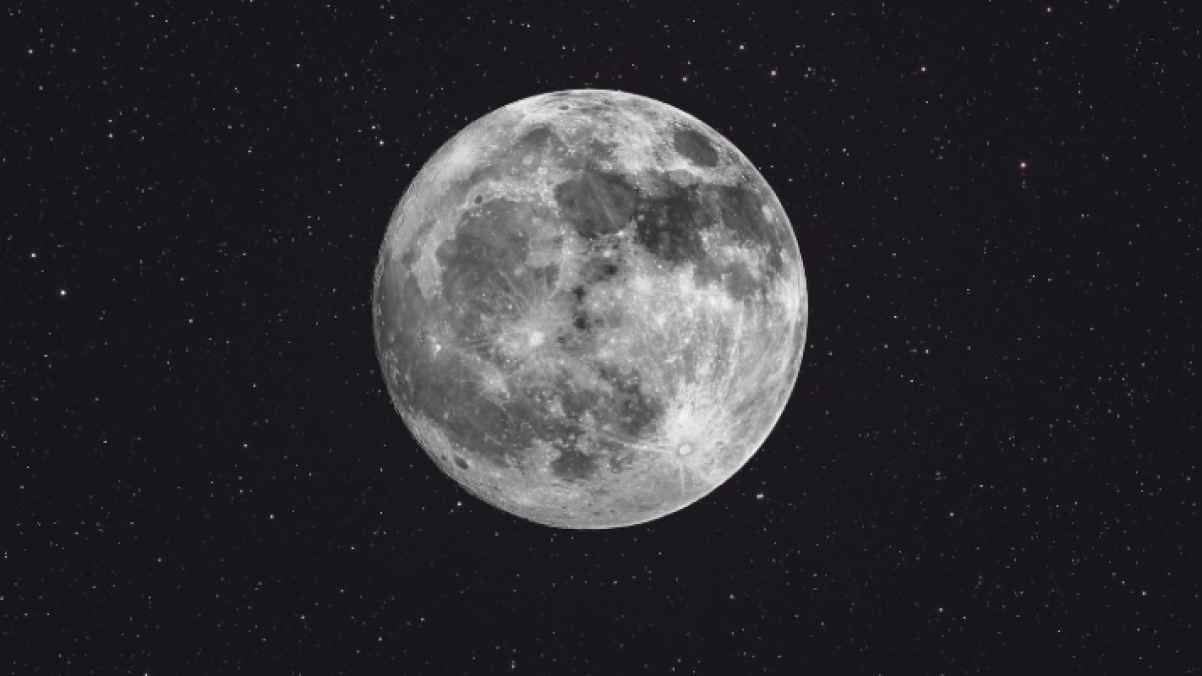
On Monday evening, their spacecraft will pass behind the Moon’s far side, temporarily blocking the radio and laser signals that maintain communication with mission control in Houston, Texas.
During this roughly 40-minute blackout, each astronaut will be alone in darkness and silence, left with their own thoughts and reflections.
Artemis pilot Victor Glover said these moments could offer an opportunity for contemplation and connection: “When we are behind the Moon, out of contact with everyone, let’s take it as a chance for prayer, reflection, and sending positive energy that we reconnect with the crew.”
This experience is not entirely new in lunar exploration. Apollo astronauts faced similar isolation over 50 years ago during signal losses. Perhaps the most striking example was Apollo 11, when Michael Collins remained alone in the command module while Neil Armstrong and Buzz Aldrin took humanity’s first steps on the Moon in 1969, leaving communication with them—and mission control—lost for 48 minutes.
Collins described those moments in his 1974 memoir as “true isolation,” though he felt neither fear nor loneliness, finding instead a sense of calm and a break from constant instructions.
On Earth, the communication blackout will pose a challenge for teams tasked with maintaining contact with the spacecraft. Experts, however, hope such periods of isolation will soon be a thing of the past. Programs like the European Space Agency’s Moonlight plan to launch a network of satellites providing continuous coverage, even on the Moon’s far side, supporting sustainable exploration.
During the blackout, the Artemis crew will focus entirely on observing the Moon—capturing images, studying its geology, and enjoying its grandeur and beauty.
When they return to the communication zone, restored signals will allow them to share these breathtaking views with the world, marking a moment of collective pride and admiration for a historic achievement.