
Major Update to Google Maps
Note: AI technology was used to generate this article's audio.
- Launch of AI-powered "ask maps" for personalized responses
- Immersive navigation update adds 3D view, enhanced road details, and natural voice guidance
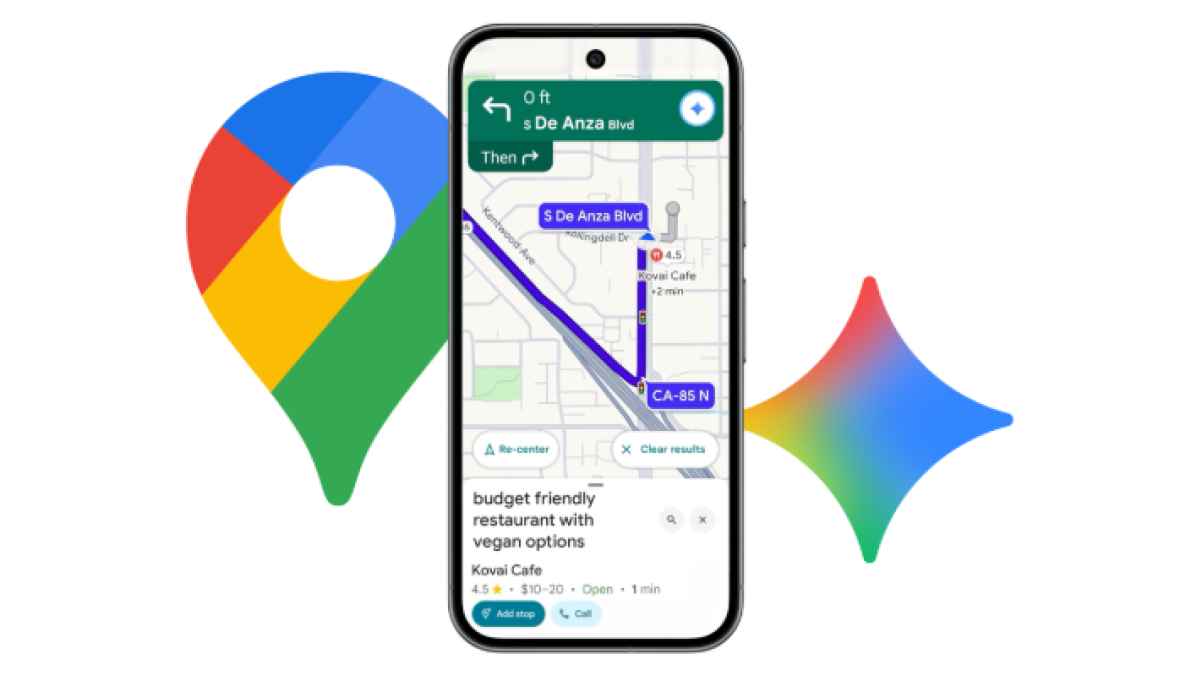
Google announced the rollout of a new feature in Google Maps called "Ask Maps," powered by the Gemini AI system, alongside an update to the immersive navigation experience. The update introduces a 3D view of roads and buildings, more detailed street information, and natural voice guidance for users.
The "Ask Maps" feature allows users to ask complex, real-world questions in natural language, such as locating a quick phone charging spot without long waits at cafes, or finding public tennis courts with lights available for nighttime play.
It can also assist with trip planning by suggesting notable stops along the route, providing estimated arrival times, and sharing tips from other users, like discovering hidden trails or accessing free tickets.
The feature personalizes recommendations based on users’ preferences, search history, and saved locations. The rollout has begun in the United States and India for Android and iOS devices, with desktop availability expected soon.
The immersive navigation update provides a 3D view reflecting nearby buildings, overpasses, and terrain, highlighting road features such as lanes, crosswalks, traffic signals, and pedestrian paths. Smart zooming and transparent building views help drivers anticipate turns and lane changes in advance.
Users can now preview destinations and surrounding areas, receive parking recommendations, and see building entrances and nearby parking options as they approach their locations.
Miriam Daniel, VP of Google Maps, stated that these updates aim to remove uncertainty from driving by offering timely, real-world information and clearer guidance.
This follows Google’s integration of Gemini into Maps late last year, enabling the AI assistant to answer location-based questions, provide sports and news information, add events to calendars, and enhance directions by referencing nearby landmarks instead of just distances.