
Scientists discover a new “two-headed” snake species in China
Note: AI technology was used to generate this article's audio.
- Innovative defensive trick confuses predators in protected natural habitat
- Discovery sheds light on biodiversity in southern China’s rare ecosystems
Researchers in China have discovered a new snake species, describing it as “two-headed” due to its unusual method of deceiving predators and defending itself.
The finding came during a biodiversity survey conducted by a team from the Guangxi Natural History Museum in the Huaping Nature Reserve in southern China, near the Vietnamese border.
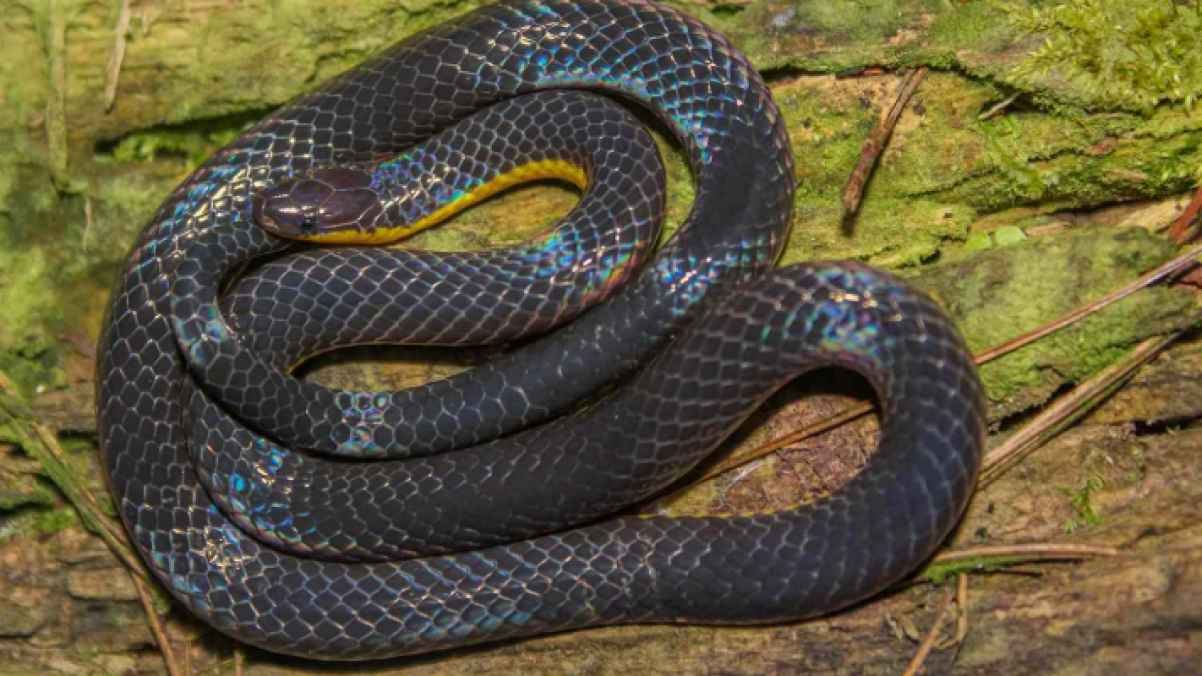
Scientists explained that the snake, scientifically named Calamaria incredibilis, relies on a deceptive strategy that makes predators believe it has a second head, as its thick, rounded tail closely resembles its actual head in both color and markings.
When threatened, the snake coils its body into a figure-eight shape or lifts its tail to mimic another head, creating confusion and helping it escape predators.
The species is only about 20 centimeters long, non-venomous, and characterized by slender brown scales with seven dark stripes running along its back.
According to the study, the snake is mostly nocturnal, spending its time hidden among leaves, rock crevices, and forest soil, feeding mainly on earthworms and soft insect larvae.
Researchers say the discovery highlights the importance of nature reserves in preserving biodiversity, particularly in regions that host rare and hard-to-detect species.