
Japan on Alert as Bear Sightings Surge Sharply in Residential Areas
Note: AI technology was used to generate this article's audio.
- Bear sightings surge across Japan, raising alarm after hibernation ends
- Authorities issue warnings as animals approach residential areas and incidents rise
Japan is witnessing a sharp increase in bear sightings as the animals emerge from winter hibernation, fueling growing concern after authorities reported more frequent human-wildlife encounters than last year, which already recorded record levels of attacks.
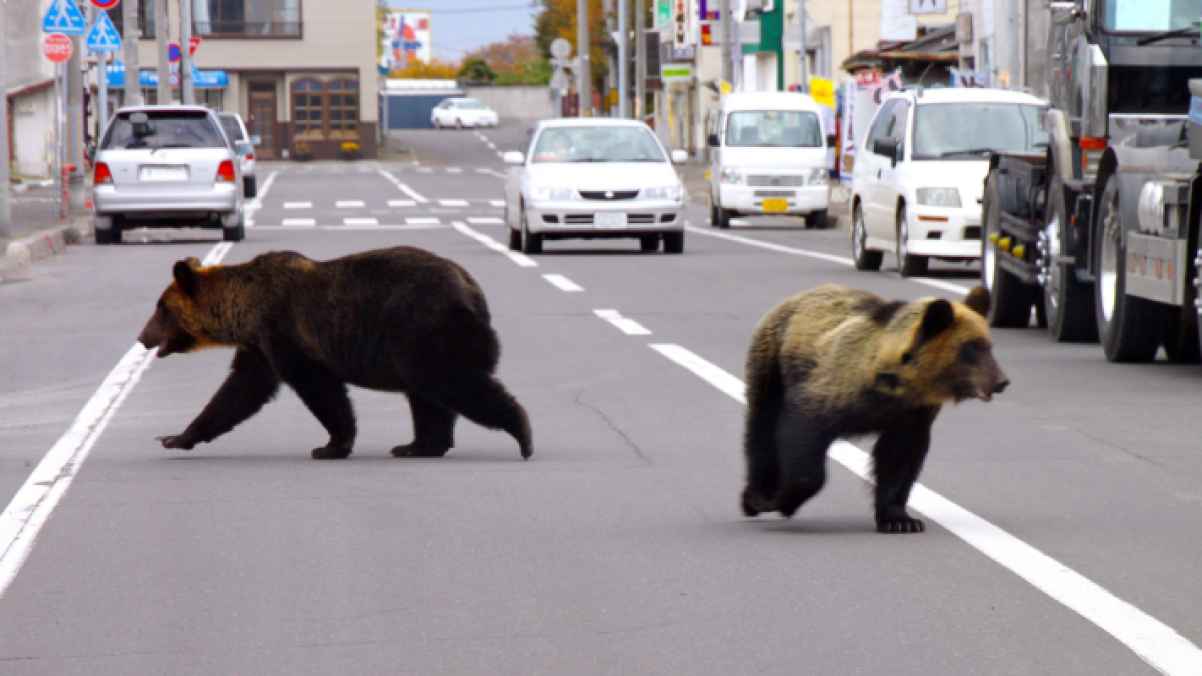
Bears have been increasingly spotted in urban areas across the country’s northeast, prompting local officials to urge residents to remain cautious, particularly ahead of the “Golden Week” holiday when many people travel to rural regions.
A particularly alarming incident this year involved the discovery of a woman’s body in Iwate Prefecture last week, believed to have been killed in a bear attack, just days after a police officer was injured in a similar encounter in the same area.
With spring underway, police have received multiple reports of bears near residential buildings, warehouses, and train stations, signaling a widening reach into human-populated zones.
In Aomori Prefecture on the northern part of Honshu, authorities issued a special alert on April 1 after five bears were spotted within just ten days, while Iwate and Fukushima have also released similar warnings.
The developments have raised fears of a repeat of 2025, when Japan recorded 238 bear attacks and 13 fatalities, most of them concentrated in the northeastern Tohoku region.
In a recent incident, police officers in Fukushima pursued a bear inside a residential neighborhood before it was later shot dead by a licensed hunter after a prolonged standoff.
One local resident told Asahi Shimbun: “I never imagined a bear would appear here… where did it come from?”
Experts suggest environmental and seasonal changes may be contributing to the pattern, with forecasts pointing to a better harvest of beech nuts this year—a key food source for bears—after a poor crop last year pushed them closer to human settlements.
However, specialists warn that some bears may have become accustomed to finding food near humans, potentially increasing the risk of further urban encounters even if natural food supplies improve in mountainous areas.