
Rising Satellite Numbers Pose Risks to Human Health, Scientists Warn
Note: AI technology was used to generate this article's audio.
- Researchers warn satellites could disrupt sleep and biological rhythms
- Rising numbers of reflective satellites may brighten the night sky and cause light pollution
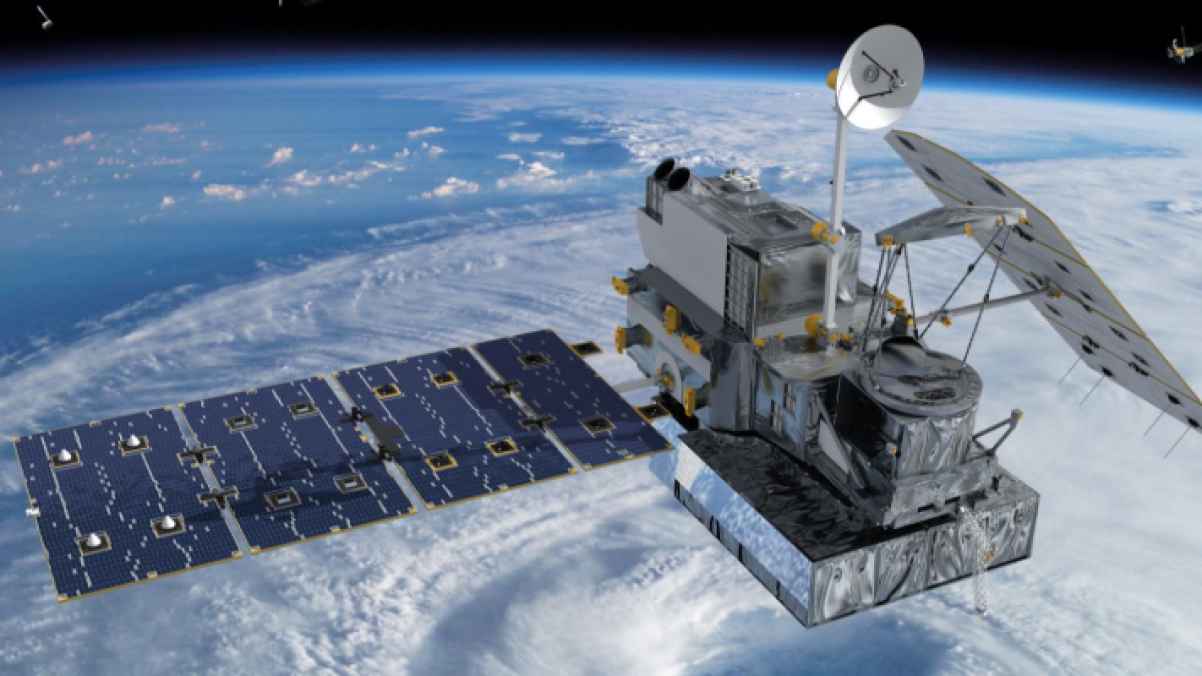
Sleep and circadian rhythm experts have voiced concerns over plans to deploy millions of reflective satellites and artificial lighting on Earth, warning of potential impacts on human health and ecosystems.
Heads of four international scientific associations, representing around 2,500 researchers from more than 30 countries, addressed these risks in letters to the U.S. Federal Communications Commission.
The warnings come amid a committee review of proposals by Reflect Orbital to illuminate selected areas at night using reflective satellites, alongside SpaceX’s plans to launch up to a million satellites into low Earth orbit.
Scientists cautioned that these projects “would fundamentally change the night environment on a planetary scale,” noting that altering natural light-dark cycles could disrupt biological rhythms controlling sleep and hormone release in humans and animals, and potentially affect migration patterns, plant cycles, and marine fungi that form the foundation of ocean food chains.
They called on regulators to conduct comprehensive environmental assessments and establish limits on satellite brightness and its effect on the night sky.
Professor Charalambos Kyriacou, a geneticist at the University of Leicester and head of the European Society for Biological Rhythms, said: “We need to think carefully before proceeding. These projects could have global consequences for food security and wildlife. Plants need night—it’s essential.”
Reflect Orbital plans to use satellites with large mirrored surfaces to direct sunlight to targeted areas between 5 and 6 kilometers across, with adjustable brightness from moonlight to daylight levels. The company said the system could support nighttime solar energy production, construction lighting, disaster response, and agriculture, while ensuring light is directed only to authorized locations.
Meanwhile, SpaceX aims to launch up to a million satellites to create a massive solar-powered computing network for artificial intelligence applications, reducing energy use and cooling demands in ground data centers.
Russell Hartley, CEO of the international DarkSky organization for night sky protection, warned that while these ideas may sound like science fiction, they are real: current satellites have already brightened the night sky by about 10%.
Researchers noted that satellites reflect light and leave trails in telescope images, while space debris adds further brightness. Models predict the sky could be 5–19 microcandela per square meter brighter by 2035—approaching the limit set by astronomical communities to preserve natural darkness.
Professor Tami Martino, president of the Canadian Society for Biological Rhythms, emphasized that biological systems are sensitive even to light levels imperceptible to humans, and continued increases in night sky brightness could have complex, poorly understood ecological effects.
A joint statement from global, European, and Australian sleep associations stressed that disrupting biological rhythms is not merely a nuisance—it is a physiological mechanism with serious health consequences, and changes to the night sky should be treated as seriously as climate change or ocean acidification.
Experts warned that rising satellite numbers could become the dominant feature of the night sky, affecting natural navigation for birds and insects. Reflect Orbital projects may introduce new forms of light pollution, with potential hazards such as intense glare or flashes that could cause accidents if satellites deviate from their paths, highlighting the need for careful environmental review before approval.