
China Launches Devices That Read Brain Signals
Note: AI technology was used to generate this article's audio.
- China prepares to bring brain-computer interfaces to public use
China is moving closer to introducing brain-computer interface (BCI) devices for general use, with clinical trials showing that patients can control robotic limbs and other devices using only their thoughts.
A leading BCI expert said the technology could reach public availability within three to five years as products mature, amid Beijing’s push to catch up with U.S. startups, including Elon Musk’s Neuralink.
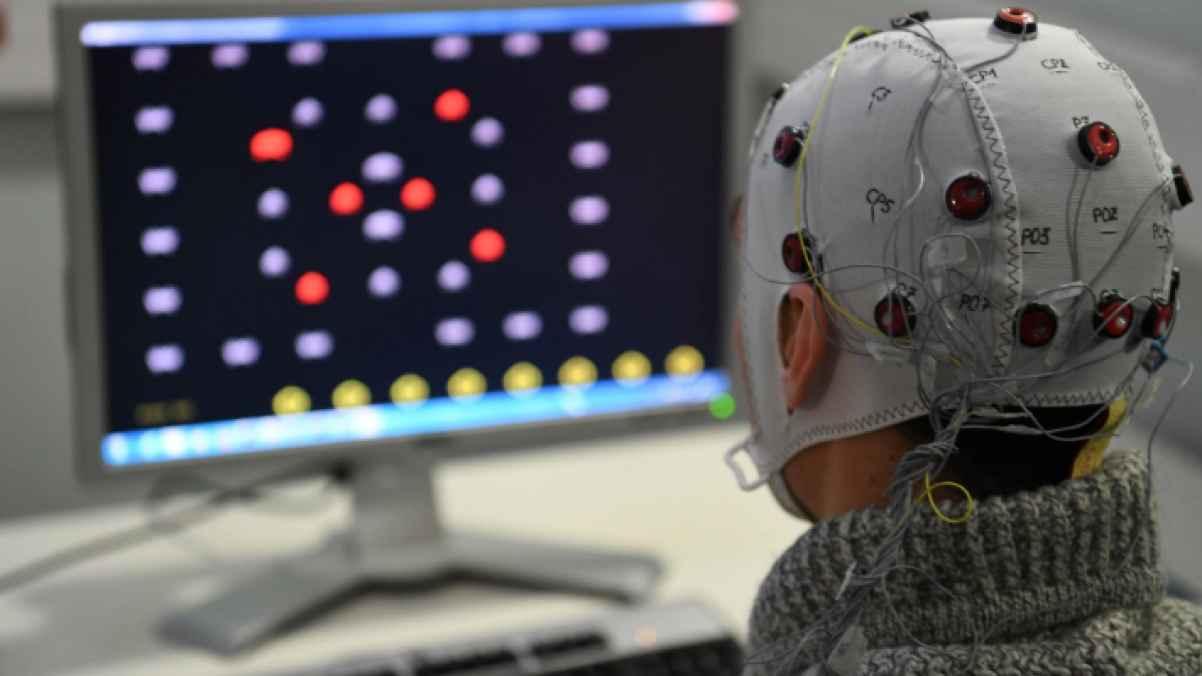
BCIs allow direct communication between the brain and electronic devices by capturing neural signals and translating them into digital commands. This technology enables people—especially those with paralysis or limb loss—to operate robotic arms, smart wheelchairs, or computers using their thoughts, without any physical movement.
The Chinese government has listed BCIs as a strategic future sector in its latest five-year plan, alongside areas like quantum computing, embodied AI, 6G, and nuclear fusion.
Yao Dezhong, director of the Sichuan Institute of Brain Science, noted that new policies won’t bring immediate results, but within three to five years, some BCI products are expected to begin providing practical services to the public gradually.
China’s national strategy for BCI development, announced last year, aims for major technical breakthroughs by 2027 and the creation of two to three world-class companies in the field by 2030.
China is the second country worldwide to conduct invasive human BCI trials, with over ten active studies matching the U.S., and plans to enroll more than 50 patients this year. Recent trials have allowed paralyzed patients and amputees to regain partial mobility and operate robotic hands or smart wheelchairs via brain signals.
Some BCI treatments have already been included in national health insurance in pilot provinces, and the domestic market is projected to reach 5.58 billion yuan ($809 million) by 2027, according to CCID Consulting.
Yao highlighted China’s advantages in BCIs: a large population, high patient demand, a cost-effective industrial chain, and abundant STEM talent. Policies like insurance integration and national standards aim to close the gap between research, industry, and clinical use.
While U.S. companies such as Neuralink focus on invasive chips implanted into brain tissue, Chinese researchers are developing invasive, semi-invasive, and non-invasive BCIs, widening potential medical applications. Semi-invasive systems sit on the brain’s surface, reducing risks like tissue damage and post-surgery complications, though signal quality may be slightly lower.
Neuralink’s surgical robot can implant hundreds of electrodes in minutes—a technical achievement Yao called remarkable—but he stressed that China is advancing rapidly, and Musk’s approach could be implemented domestically.