
33dead from mosquito-borne diseases in Cuba
Note: AI technology was used to generate this article's audio.
- Cuba faces widespread epidemic
- Most deaths among youth under 18
Cuban authorities have confirmed 33 deaths in recent months due to mosquito-borne diseases, in an epidemic affecting at least a third of the island’s population, according to official reports.
Deputy Minister of Health, Careilda Peña, stated that 12 people died from dengue fever and 21 others from the chikungunya virus, both of which are widespread in Cuba.
Peña added that 21 of the deceased were under 18, without specifying a precise timeframe for the deaths.
This worrying situation adds further strain to Cuba, whose healthcare system already suffers from severe economic crises leading to widespread shortages of food, fuel, and medicine.
Peña noted that dengue’s spread has worsened due to lack of funding and fuel, which hampers government efforts to spray insecticides, clean roadside waste, and repair leaking water pipes, while chikungunya has spread rapidly in recent months after previously being rare on the island.
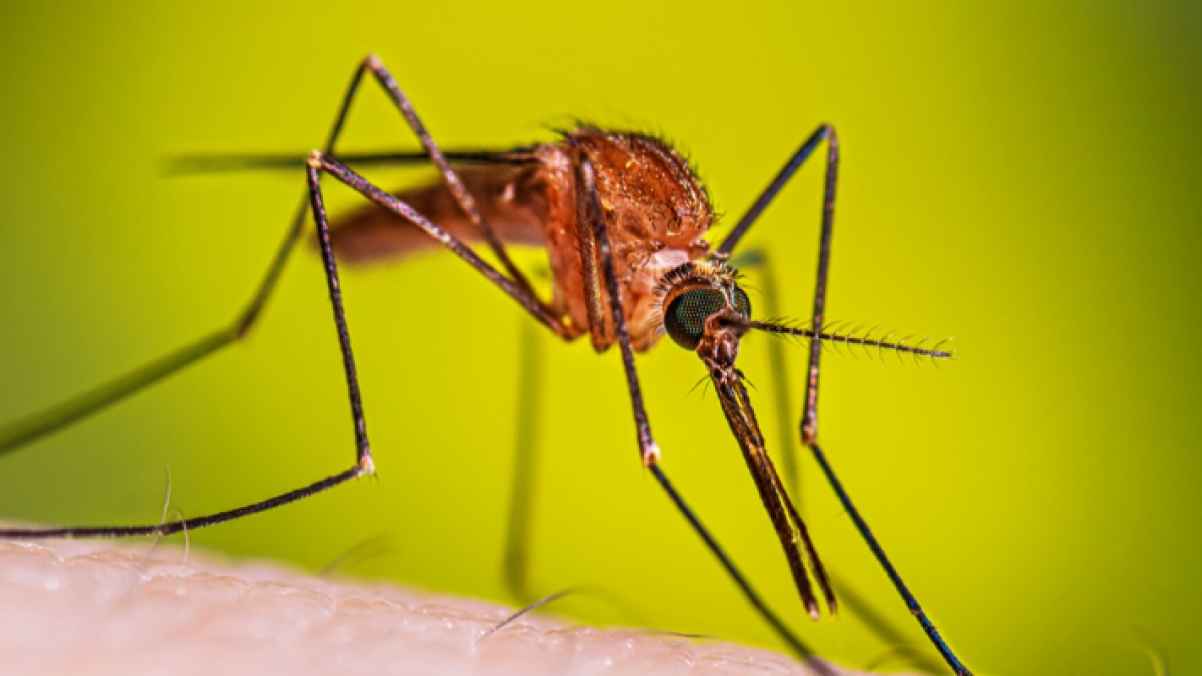
Chikungunya has no specific treatment and is primarily transmitted by the Aedes mosquito—the same species that spreads dengue and Zika.
The virus causes severe headaches, skin rashes, and joint pain that can last for months after infection, resulting in long-term disability, though it is rarely fatal.
Havana and Santiago, Cuba’s largest cities, recorded the highest infection rates in recent weeks, with Peña reporting 5,717 new chikungunya cases in the past week, although authorities say many cases go unreported due to patients not seeking medical attention.
In July, the World Health Organization issued an urgent call to action to prevent a repeat of the chikungunya epidemic that swept the globe nearly two decades ago, noting that new outbreaks linked to the Indian Ocean region have reached Europe and the Americas.