OpenAI wins a legal battle against Elon Musk
Note: AI technology was used to generate this article's audio.
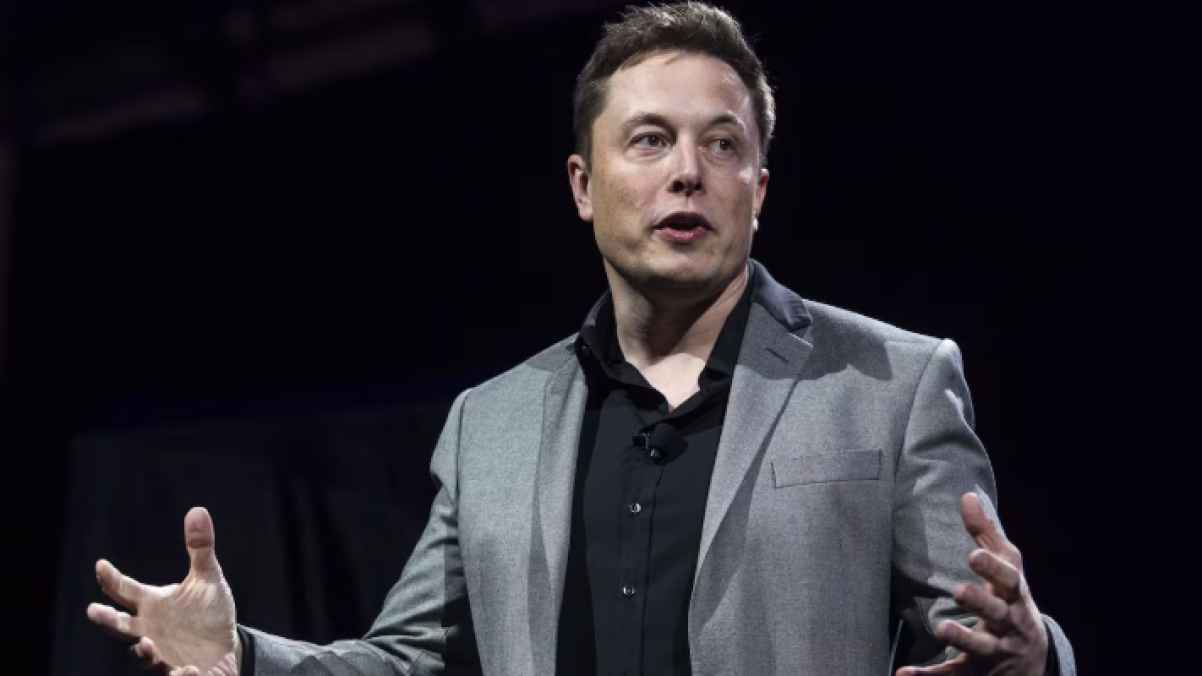
Sam Altman accused Elon Musk of seeking full control over OpenAI. Elon Musk demanded financial compensation in the lawsuit and sought Altman’s removal from the company’s leadership.
In a major legal development highlighting one of the most controversial cases in the technology world, a California jury unanimously ruled in favor of OpenAI and its CEO Sam Altman in the lawsuit filed by billionaire Elon Musk, who accused the company of abandoning its founding mission and turning into a profit-driven entity serving commercial interests.
The nine-member jury cleared Sam Altman, co-founder Greg Brockman, and OpenAI of all allegations brought against them. It also rejected Musk’s claims that Microsoft had contributed to violating OpenAI’s obligations regarding its non-profit nature.
Official adoption of the ruling
According to media reports, the jury reached its decision in less than two hours on Monday, May 18, before the judge formally approved the ruling. Musk’s legal team later announced its intention to file a new appeal challenging the verdict.
The case dates back to April of last year, when Musk filed a lawsuit against the company he had helped found and initially invested in, arguing that OpenAI had abandoned its original mission after evolving from a non-profit artificial intelligence research organization into a commercial company behind the ChatGPT chatbot.
Musk sought financial compensation, the removal of Sam Altman from the company’s leadership, and a return of OpenAI to its non-profit status, despite the company still being overseen by a non-profit board.
Altman attacks Musk in court
During the trial sessions, Sam Altman strongly defended his position, accusing Elon Musk of attempting to gain full control over OpenAI, describing him as unpredictable and difficult to deal with, and claiming Musk tried to weaken the company after failing to impose his influence over it.
In response, Musk stated in his testimony that he was not opposed in principle to OpenAI having a for-profit component, provided the company did not become entirely profit-driven. He warned that artificial intelligence could lead the world toward dangerous “Terminator”-like scenarios instead of a more optimistic future resembling “Star Trek.”
Explosive testimonies and exchanged accusations
The trial also featured testimony from Ilya Sutskever, who claimed that Sam Altman had repeatedly shown a pattern of lying and undermining executives within the company, as part of Musk’s team’s effort to challenge Altman’s credibility before the jury.
Musk’s lawyer also described Sam Altman during closing arguments as the central witness in the case, emphasizing that credibility was at the heart of the legal dispute between both sides.
Musk appears during the trial
At the same time as the final stages of the trial, Elon Musk appeared in China alongside U.S. President Donald Trump and several leading technology executives, sparking widespread media attention, especially after his legal team apologized for his absence from some of the final court sessions.
The case comes amid rapidly intensifying global competition in the artificial intelligence sector and ongoing debate over OpenAI’s future and its relationship with major investment and technology companies worldwide.