
Sun releases two powerful flares, causes temporary disruption to radio signals
Note: AI technology was used to generate this article's audio.
- Intense solar activity over a short period has drawn the attention of scientific observatories
- Temporary disruptions in communications following powerful emissions from an active region on the Sun
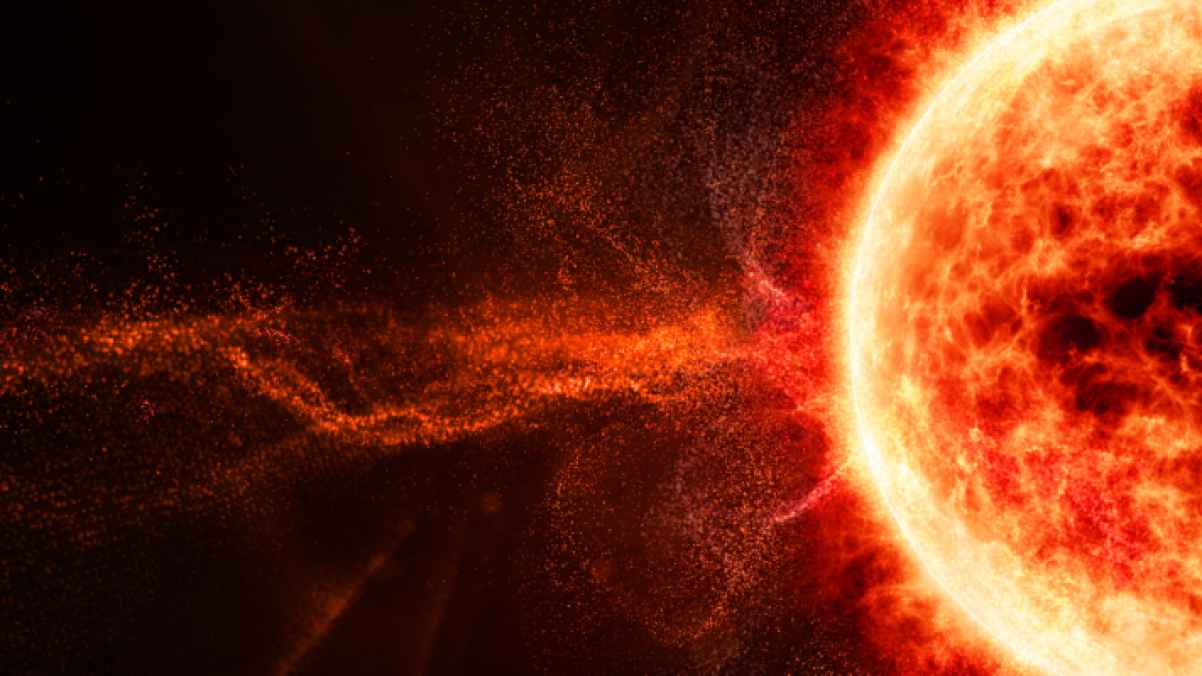
The Sun has experienced a burst of strong activity within just a few hours, releasing two X-class solar flares in less than seven hours, which led to noticeable disturbances in radio signals on Earth.
The flares originated from the active sunspot region AR4419 located near the Sun’s western limb, with the first flare peaking on the evening of April 23, followed by a second flare in the early hours of April 24 (U.S. East Coast time).
According to solar physics specialists, this activity ranks among the strongest observed in recent weeks, reflecting a clear increase in solar intensity.
The resulting emissions from both flares caused temporary outages in high-frequency radio communications in sun-facing regions, affecting parts of the Pacific and Australia during the first event, while the second extended impacts toward East Asia.
This activity followed a series of weaker solar eruptions earlier the same day, alongside a rare phenomenon known as “synchronized flaring” between two active regions on the Sun’s surface.
Preliminary data also suggest the possible emergence of coronal mass ejections (CMEs)—large clouds of charged particles. However, the sunspot’s position near the solar limb reduces the likelihood of a direct Earth impact, though potential side effects remain under observation.
Solar flares are powerful explosions that release enormous amounts of energy, reaching Earth at the speed of light and directly affecting the upper layers of the atmosphere, particularly the ionosphere, which plays a key role in radio wave transmission.
Under normal conditions, high-frequency waves reflect off these layers to travel long distances. However, during strong solar storms, increased particle density can distort or fully absorb these signals, leading to temporary disruptions in wireless communications.