
NASA discovers organic compounds on Mars believed to be essential for life
Note: AI technology was used to generate this article's audio.
- Carbon-based compounds detected in an ancient Martian lakebed
- New signals remain ambiguous between geological origin or external delivery
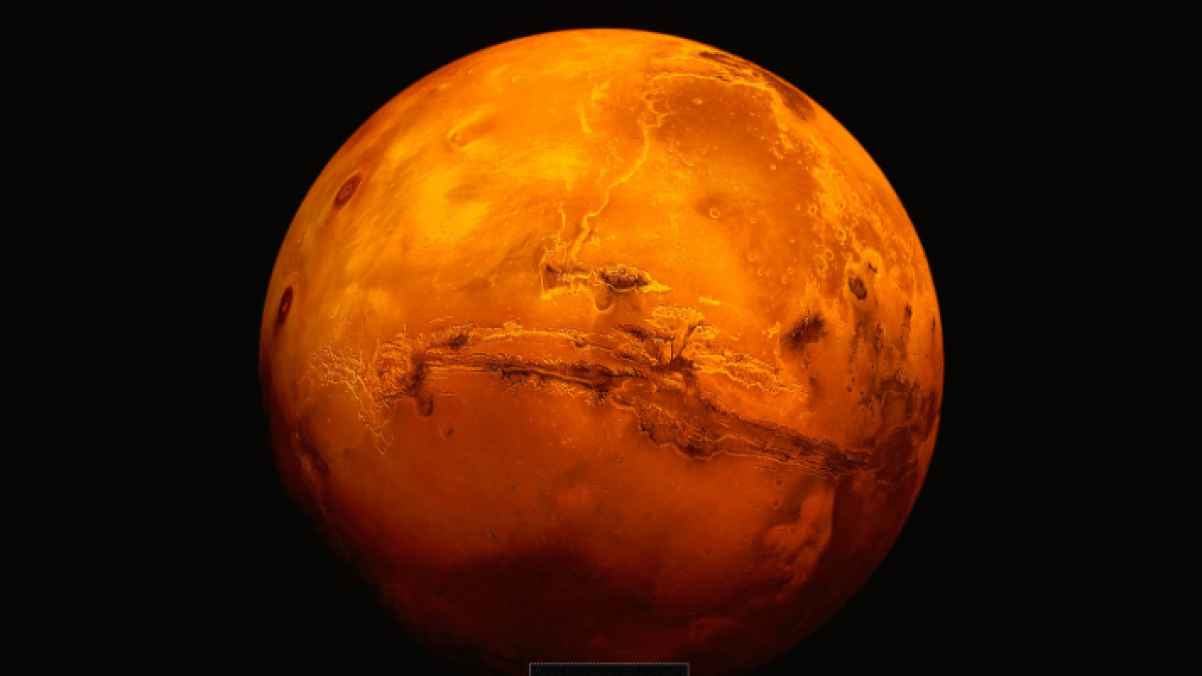
A new scientific discovery on the surface of Mars has drawn strong attention from the research community after the NASA “Curiosity” rover identified organic compounds that are thought to be among the basic building blocks of life.
Chemical clues… but no conclusions
The findings came from the analysis of samples taken from a dried lakebed near the planet’s equator, where seven organic compounds were identified, five of which have never been detected on Mars before. Despite the significance of the results, scientists cannot determine whether these compounds are linked to ancient life, formed through geological activity, or were delivered by meteorites.
Dr. Amy Williams, who leads the study, said the detected material could be organic matter preserved for around 3.5 billion years, but stressed that current data is not sufficient to confirm the existence of life.
A harsh environment… and a promising past
Since landing in 2012, the rover has been exploring Gale Crater and Mount Sharp under extremely harsh conditions, with temperatures dropping below minus 100°C and no atmosphere to shield the surface from intense radiation.
However, evidence suggests that Mars once had liquid water and a thicker atmosphere, creating conditions that may have been suitable for life to emerge, roughly at the same time as on Earth.
Building blocks, not proof of life
The rover also detected carbon-containing compounds, including benzothiophene, which is believed to be delivered to planets via meteorites, as well as a nitrogen-bearing organic molecule with a structure similar to precursors of DNA.
Scientists emphasize that these materials represent only “building blocks” and not evidence of life, as they can also form through non-biological processes.
Future missions bring hope
These findings add momentum to the upcoming European Space Agency “Rosalind Franklin” mission, scheduled for launch in 2028, which will drill up to two meters below the surface and conduct more advanced analysis to determine the origin of such compounds.
The study has been published in Nature Communications, adding a new chapter to the ongoing search for one of science’s oldest questions: has life ever existed beyond Earth?