
Iran in shock… scenes from its streets between grief and anguish
Note: AI technology was used to generate this article's audio.
Iran is swallowing grief and pain as a result of the joint U.S.–Israeli attack. The assassination of Supreme Leader Ali Khamenei has deeply wounded Iranians with a sense of anguish.
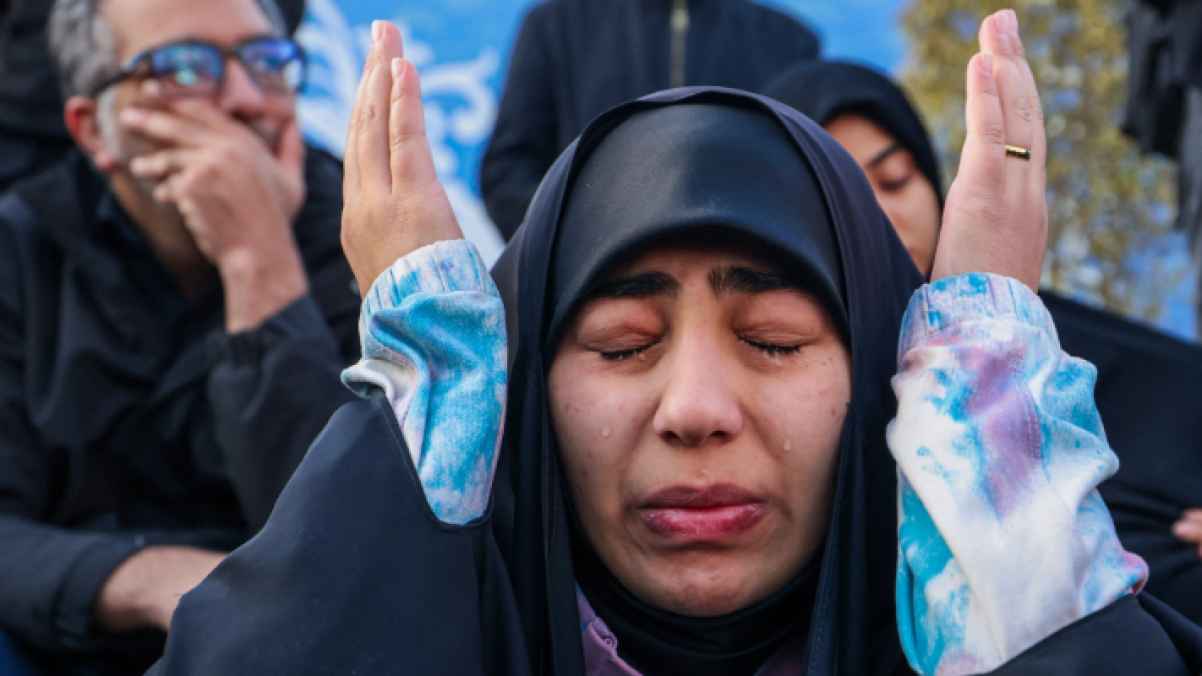
Iranians went out into the streets in heavy, exhausting hours following the joint strikes carried out by the United States and Israel against Iran — not to protest and not to celebrate, but in search of a small measure of reassurance in one another’s faces, reassurance that has become a distant dream because of the country’s current reality.
They stepped out in clear silence, with slow, cautious footsteps, as if the streets had become the only place capable of absorbing the weight of the news that descended on their homes all at once.
In the squares of Tehran, the scene looked unlike any ordinary gathering: men stood close together, exchanging anxious glances instead of words; women held their children tightly out of fear of the unknown; and children watched the faces of adults, trying to understand what was happening around them. Elderly people sat on the sidewalks following the news on passing mobile phones, with deep sorrow clearly etched in their eyes.
Iranians did not go out raising slogans or chanting. They went out burdened with pain and cautious anticipation, as if the entire city had decided to breathe outside its walls. Some carried light blankets and water, while others simply stood near their homes in silent readiness for any sudden development, amid growing fears of an expanding wave of strikes and continued escalation.
The spread of news about the assassination of Iran’s Supreme Leader Ali Khamenei further intensified the scene, pushing many people into the streets out of shock more than anything else. It was clear that the impact of the news was not only political, but also psychological and social, as the streets turned into open spaces of mourning, filled with anger, disbelief, and fear of an uncertain future.
This is how Iranians went out: men, women, children, and the elderly — without chants and without noise — sharing the same grief and the same heavy. Their steps spoke louder than words, while cautious anticipation continued to hang over their faces, reflecting the depth of pain left by the joint strikes and the anxiety that has come to dominate the details of their daily lives.