
Experts recommend restarting the phone in certain cases
Note: AI technology was used to generate this article's audio.
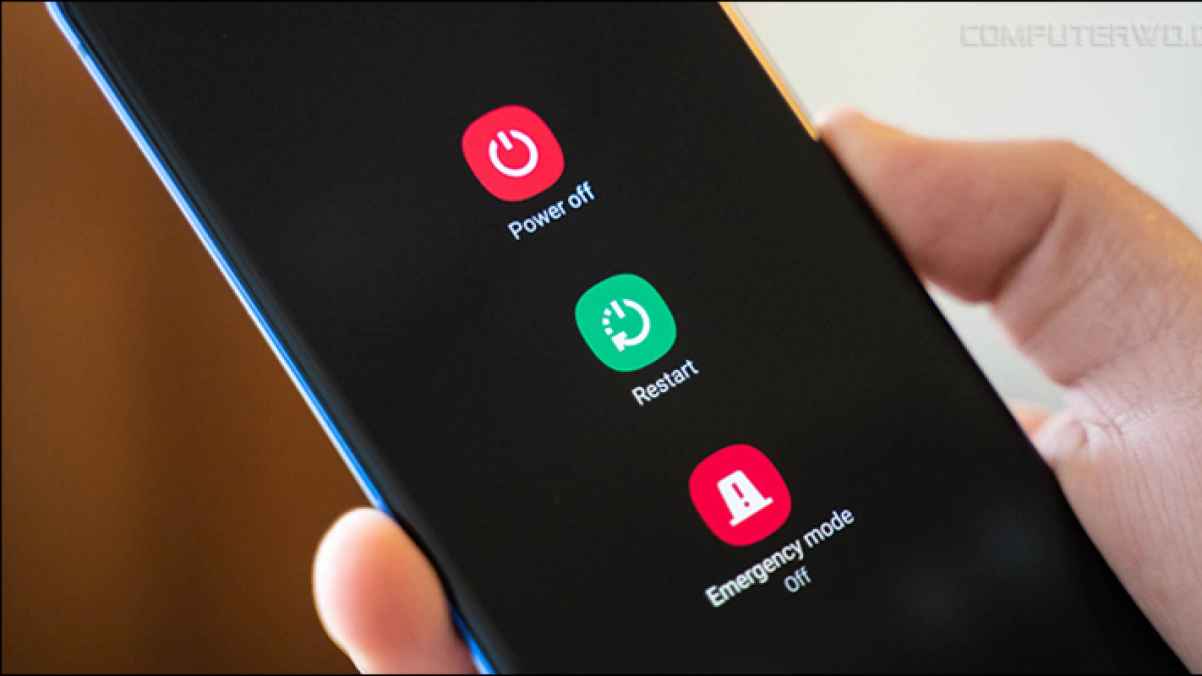
Restarting the phone is an effective way to reset the system.
Restarting the phone reduces the likelihood of exploiting software vulnerabilities.
Despite the common habit among smartphone users of keeping their devices running continuously without interruption, technology experts point out that turning off or restarting a phone from time to time can have a positive impact on overall performance and enhance security, especially in Android devices that rely on complex management of processes and memory.
According to a report published by “SlashGear,” modern smartphones are designed to run continuously without the need for frequent shutdowns. However, prolonged use over time may lead to the accumulation of minor software errors or gradual slowdowns in responsiveness, which can be easily resolved through restarting the device.
Restarting the phone as a practical solution for daily problems
Technology experts indicate that restarting the phone is not merely a routine action, but an effective way to reset the system and improve performance, as it helps to:
- Reorganize RAM memory
- Stop background processes and stuck applications
- Improve system responsiveness
- Reduce sudden lag or freezing
It can also help fix network connectivity issues such as weak Wi-Fi or mobile data interruptions, especially when quick fixes like toggling airplane mode fail.
Android systems rely on keeping apps in memory to speed up future launches. However, this approach can sometimes place extra pressure on device resources over time, making restarting an effective way to rebalance the system.
Security benefits of restarting
Beyond performance, some cybersecurity experts suggest that restarting a phone periodically may reduce the risk of exploiting advanced software vulnerabilities, including silent attacks that require no user interaction (Zero-click attacks).
Fully turning off the phone also stops all active processes, reducing the chance of any malicious background activity continuing if unseen threats exist.
When is turning off the phone more important?
There are situations where powering off the phone becomes more important:
When not in use for long periods It is recommended to turn off the device if it will not be used for an extended time, keeping the battery charged at around 50% and recharging it every few months to maintain its health.
To preserve battery life Continuous operation without actual use may lead to unnecessary energy consumption, while turning off the device helps reduce battery stress.
For security reasons Devices left unused for long periods may become more vulnerable if not updated regularly, increasing the risk of cyber threats.
Turning off the phone is not a daily necessity, but it remains a simple step that can make a difference in performance, stability, and security.
Although smartphones are designed for continuous operation, restarting them from time to time remains a smart technical practice that helps maintain system efficiency and reduce potential issues over long-term use.