
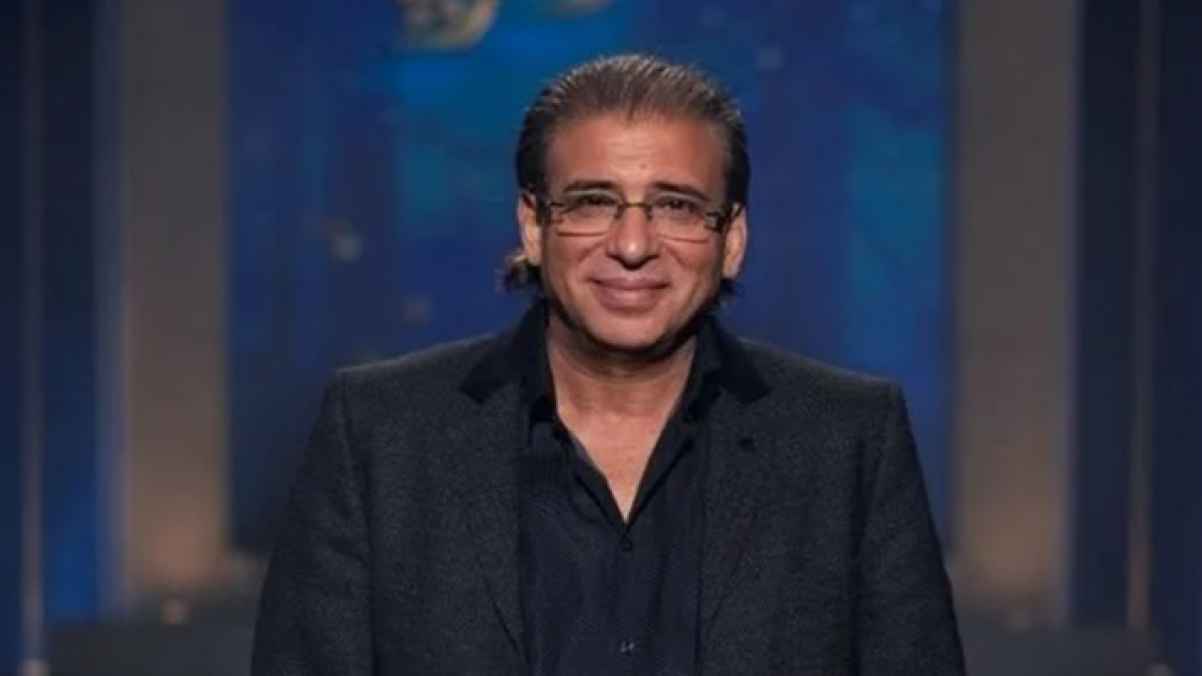
Khaled Youssef expresses his dissatisfaction with the funeral proceedings of Hani Shaker
Note: AI technology was used to generate this article's audio.
Khaled Youssef criticizes the absence of the “mass public scene” in Hani Shaker’s farewell Khaled Youssef: Hani Shaker deserves a different and more crowded farewell
Egyptian director Khaled Youssef sparked widespread controversy and interaction on social media following a post he published on his personal Facebook account, in which he addressed the funeral of the late artist Hani Shaker, expressing his dissatisfaction with the nature of the farewell scene.
Khaled Youssef indicated that the funeral — in his opinion — did not reflect the great artistic status and wide popularity the late singer enjoyed across the Arab world, opening a broader debate about the nature of public attendance at the funerals of major artists.
In his post, Youssef explained that Hani Shaker is considered one of the most prominent names in Arab music over the past fifty years, stressing that he represents a great loss to Arab art. He added that, in his view, the artist deserved a different farewell scene with greater public presence and momentum than what actually took place, befitting his long artistic career and influential journey.
“The absence of the mass public scene”
The Egyptian director went on to question the absence of a large public turnout at the funeral, saying: “Why are we depriving his name of a farewell scene crowded with his fans, where his coffin is carried on the shoulders of his friends and loved ones, and where his audience expresses their love and takes their right in bidding him farewell at his final resting place.” He added that the audience that built the artist’s fame had — in his opinion — the right to participate widely in his farewell.
Youssef also questioned the reasons behind the absence of such a scene, pointing out that some organizational procedures, arrangements, and concerns about overcrowding or possible chaos might have been behind it. He criticized what he described as the distancing from the mass public scene that audiences are used to in the funerals of major artists, questioning its value compared to the historical image that could have immortalized the late artist.
He further stated that many scenes avoided today may not remain in historical memory, while — in his words — the dignified farewell image remains the most important and emotionally lasting in people’s minds, arguing that it was worth creating even if it required extra effort from the family and organizers.
In conclusion, Khaled Youssef prayed for mercy for the late artist, asking God to forgive him and grant patience and comfort to his family and loved ones.
Opinions were divided regarding Youssef’s statements. Some followers believed that organizing such events aims to maintain order, respect the sanctity of death, and prevent chaos or overcrowding. Others, however, felt that public attendance at the funerals of major artists is an essential part of honoring their artistic and human legacy, making the issue a subject of wide debate between supporters and critics.