
Amanda Peet reveals details of her breast cancer diagnosis
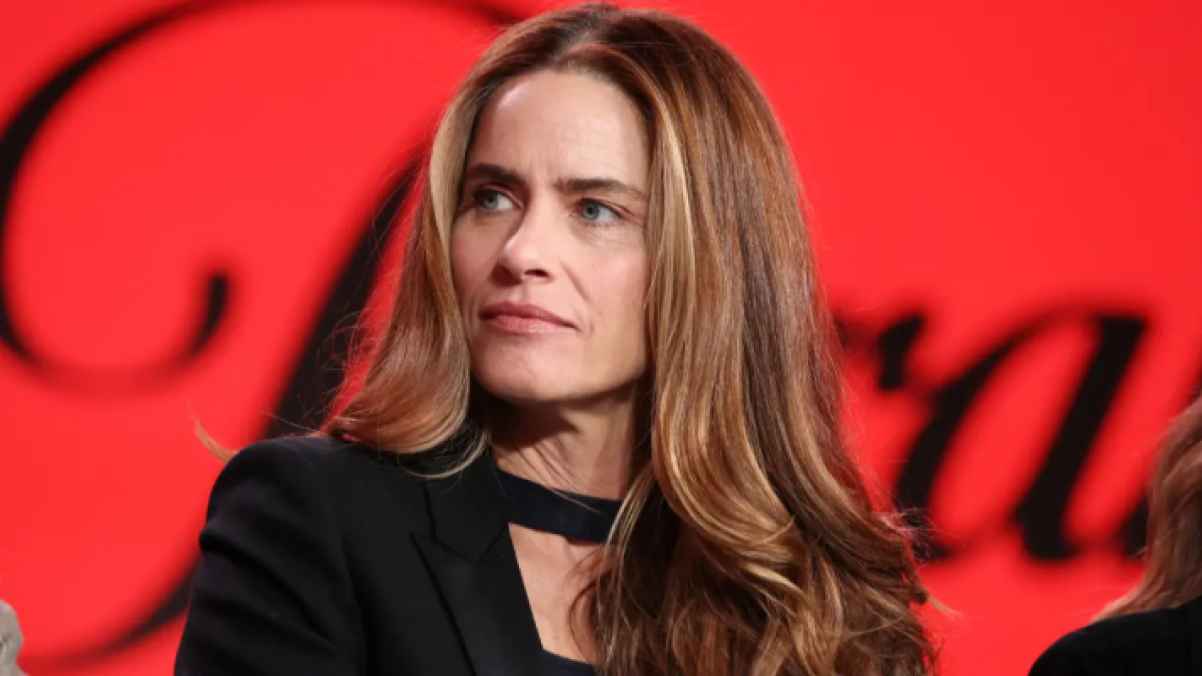
Note: AI technology was used to generate this article's audio.
“Diagnosis came months earlier during a routine examination” “The presence of a small tumor required further evaluations”
American actress Amanda Peet revealed that she had been diagnosed with breast cancer in a moving article published by The New Yorker titled “My Season of Ativan,” explaining that the diagnosis came months earlier during a routine check-up, at a time when she was going through difficult personal circumstances, as she was caring for her parents who were receiving end-of-life care on opposite coasts.
According to her article, Peet underwent a series of tests after an abnormality was suspected during the initial examination, before a biopsy confirmed the presence of a small tumor that required further evaluations, including an MRI scan and analysis of the cell characteristics to determine the aggressiveness of the disease.
Less aggressive cancer The actress noted that the waiting period for results was one of the most difficult stages, as she experienced ongoing anxiety. However, the results later showed that the cancer was less aggressive, being hormone receptor-positive and HER2-negative, making it more treatable, which gave her some reassurance despite continued medical follow-up.
During subsequent tests, doctors discovered a second mass in the same breast, which led to delaying surgery and performing an additional biopsy. It was later found that the second mass was benign, allowing for tumor removal followed by radiation therapy without the need for a full mastectomy or chemotherapy, as the condition was diagnosed at an early stage.
Amanda Peet concluded her account by noting that she underwent radiation therapy, which began tolerably but became more difficult in its later stages, before receiving reassuring and clear test results at the beginning of the year. She also shared that during that period she faced difficult personal circumstances coinciding with the loss of her parents, which made the experience more complex both emotionally and humanly.