
Hamada Helal surprises his audience: I thought about retirement
Note: AI technology was used to generate this article's audio.
Hamada Helal: My projects did not achieve the desired resultsHamada Helal: I will not recommend deleting my songs after my death
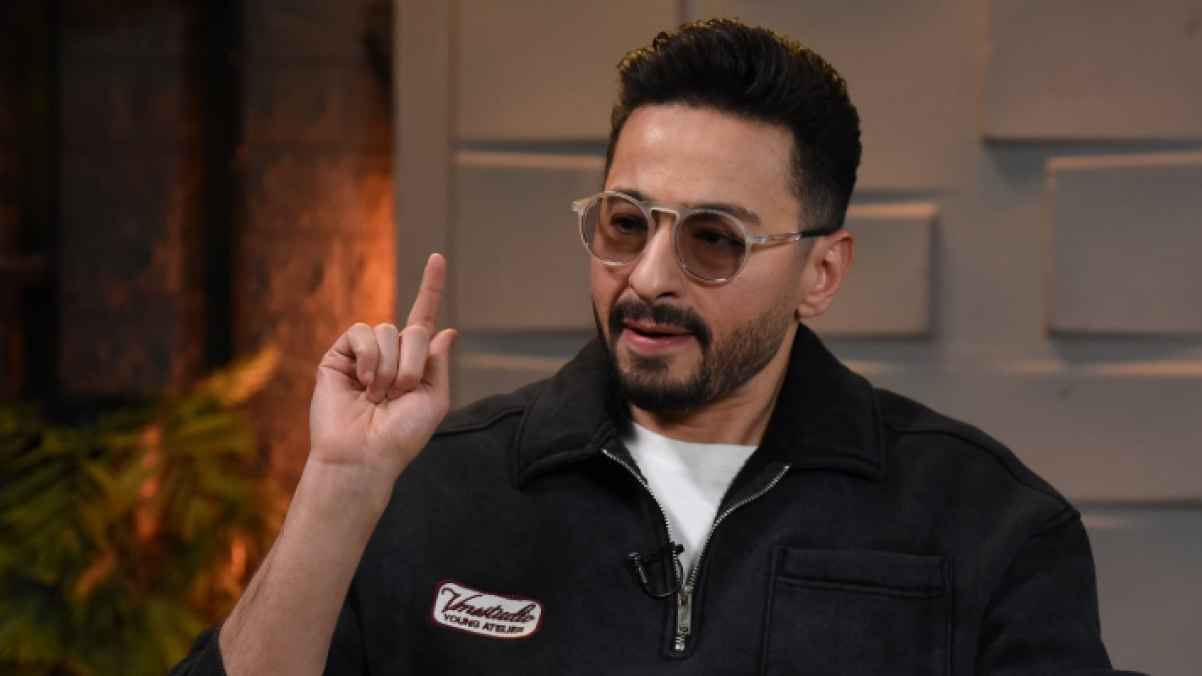
Egyptian artist Hamada Helal sparked widespread attention and debate after revealing a difficult period he went through in the past, which led him to seriously consider stepping away from singing. This was due to an internal feeling of heartbreak and accumulated psychological pressure that made him reconsider continuing in the artistic field.
Helal explained during a television appearance that those periods were neither brief nor easy, but were filled with harsh challenges, especially as he ventured into experiences outside his main field. These included entering the world of investment through a number of different projects, which did not achieve the results he had hoped for. Instead, he suffered financial losses that became a significant turning point, leading him to realize that singing is the field closest to his heart and that stepping away from it is not something he can continue.
In the same context, Helal addressed the ongoing debate about the prohibition of singing and music, stressing that he does not consider himself qualified to engage in such matters or issue religious rulings, emphasizing that these issues are for specialists. He added that what matters most to him is a person’s commitment to piety in their life and behavior, away from judging others.
Hamada Helal: I will not recommend deleting my songs after my death
He also commented on the phenomenon that has recently spread among some artists, which involves recommending the deletion of their artistic works after their death. He noted that he does not concern himself with such ideas, but instead focuses on praying for mercy and forgiveness for any artist who passes away.
Helal clearly confirmed that he has never considered taking a similar step, explaining that the songs he has presented are not entirely his personal property, but have become part of the audience’s emotions and memories, which makes him reject the idea of deleting or altering them. He also revealed a deeply emotional moment that affected him greatly, when he witnessed a father assaulting his son at a wedding because he was singing the song “Mastoul,” which prompted him to reconsider some of the song’s lyrics and make adjustments out of respect for people’s feelings and in pursuit of a positive artistic impact.