
Rap Singer Mohamed Mod… A Two-Decade Artistic Journey and a Voice Representing Gulf Youth
Note: AI technology was used to generate this article's audio.
Mohamed Mod Delivered Works Maintaining Credibility Mohamed Mod began his journey in 2004 in the world of rap Mohamed Mod believes that what he presents is a mirror of reality
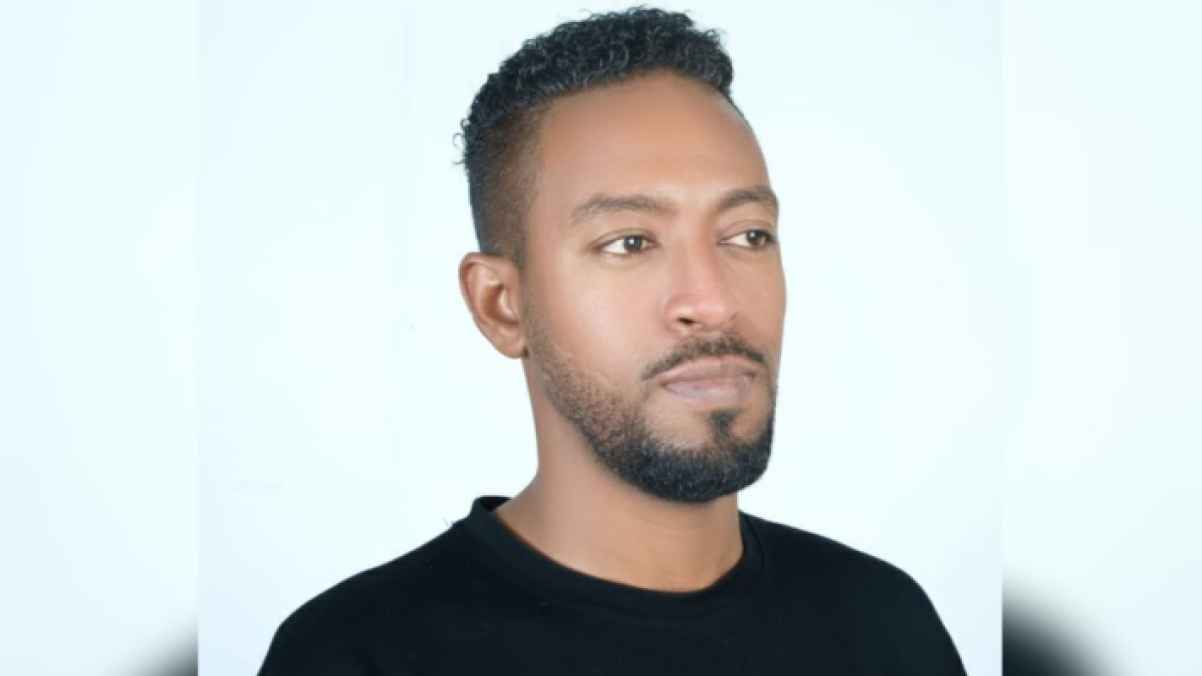
In the world of music, the Sudanese artist Mohamed Mod has managed to secure a special place in the hearts of listeners, thanks to his distinctive style and sincere voice, which accompanied the early days of the rap scene since the early 2000s. Over more than twenty years, Mod has produced works addressing social and personal realities, preserving the authenticity of his message and the credibility of his expression, making him one of the influential voices in the artistic scene.
In this interview, we get to know his beginnings, childhood, influences, and long artistic journey through direct questions and answers with the artist:
■ What is your real name, and how old are you? My real name is Mohamed Mostafa Al-Sharif, born in 1986.
■ What was your childhood like? And what were the most influential factors that shaped your personality at that time? My childhood was in the neighborhoods of Jeddah, in a very simple and popular area. I belong to a generation that is called today “The Generation of the Good,” a generation raised on simplicity and the spirit of the neighborhood, where our happiness came from small things. We grew up watching series and programs like Tash Ma Tash and Baba Farhan, and these surroundings gave me a different sense of life, full of humor, realism, and daily experiences. This popular environment influenced my writing style because it brought me closer to people and made me able to understand their lives and real details.
■ How did your journey with rap begin at a time when this art was not widespread in the Gulf? I started my journey in 2004, during a period when rap was very limited in the region. There were no platforms or production tools available as they are today, so I relied on simple experiences and limited equipment. Despite the challenges, I felt that this type of music expressed who I am and the environment I belong to, so I continued performing it and developing my style over time.
■ Many of your works address social and personal issues… why this direction? I believe that rap should reflect the reality of people. For this reason, I always strive to write lyrics that address the issues of Gulf youth, whether social pressures, psychological struggles, or daily details experienced by many. This closeness to reality makes the song more sincere and impactful.
■ How did your musical style develop? And what were the main influences that affected you? My style is the result of the fusion of three different environments that influenced me:
- Sudanese roots, which carry a deep sense of rhythm
- The Gulf scene, whose beginnings and developments I witnessed
- American hip-hop schools, especially those focused on realistic storytelling and deep writing
I have combined these elements over the years to create a musical voice that reflects my identity and personal experience.
■ Your audience sees your work as calm and realistic compared to faster trends… is this an artistic choice? Yes, it is a conscious choice. I prefer the song to be built on an idea and a message before being based on a fast beat or many effects. I write when I have something to express sincerely, not just to follow a trending wave. This approach has given my works a distinct signature over the years.
■ How do you see the development of Gulf rap today compared to your beginnings? The scene has changed significantly. Today, there are wide platforms, a large audience, and professional production, which is positive. However, despite this development, there is still room for voices that present reality honestly, which is what I try to maintain in my work.
■ Did your Sudanese roots play a role in shaping your artistic identity? Certainly. Sudanese rhythm has a special character, and the vocal performance adds a different depth to the song. When this blends with Gulf rhythms, it produces a musical color with a clear and unique personality.
■ Did your father influence your songwriting? My father, may he rest in peace, was a very cultured man and cared greatly about the Arabic language. In my early years, he would proofread the words I wrote and correct grammatical mistakes, and sometimes we would have discussions because of his dedication to language quality. I have several songs with lyrics inspired by him, such as Gawi Ta’ab and Hadd Al-Sabr, and I still cherish them as they represent an important part of my journey and my father’s memory.
■ What is your main message through your music? My message is that the song should be a true reflection of people’s lives. I want the listener to feel that the words express them and their daily experience. This closeness to the audience is what has kept me going since the beginning.
■ What upcoming works are you currently working on? I am currently working on a new collection of songs that blend modern rhythm with a Gulf touch, with greater focus on realistic writing. They will be announced soon, God willing.
■ A final word to your audience? I thank everyone who has followed my work from the beginning until today. The support of my audience is the biggest reason for the continuation of my career over all these years.